Cosmic Surfaces, Human Hands

Today we dive into meteorite textures in art and design, celebrating how ancient interstellar matter inspires fresh material language on Earth. From etched nickel-iron lattices to stony chondrules and wind-carved regmaglypts, discover processes, palettes, and stories that translate extraterrestrial character into memorable objects, interiors, and visuals worth sharing and discussing together.

Science Sparks for Visual Imagination
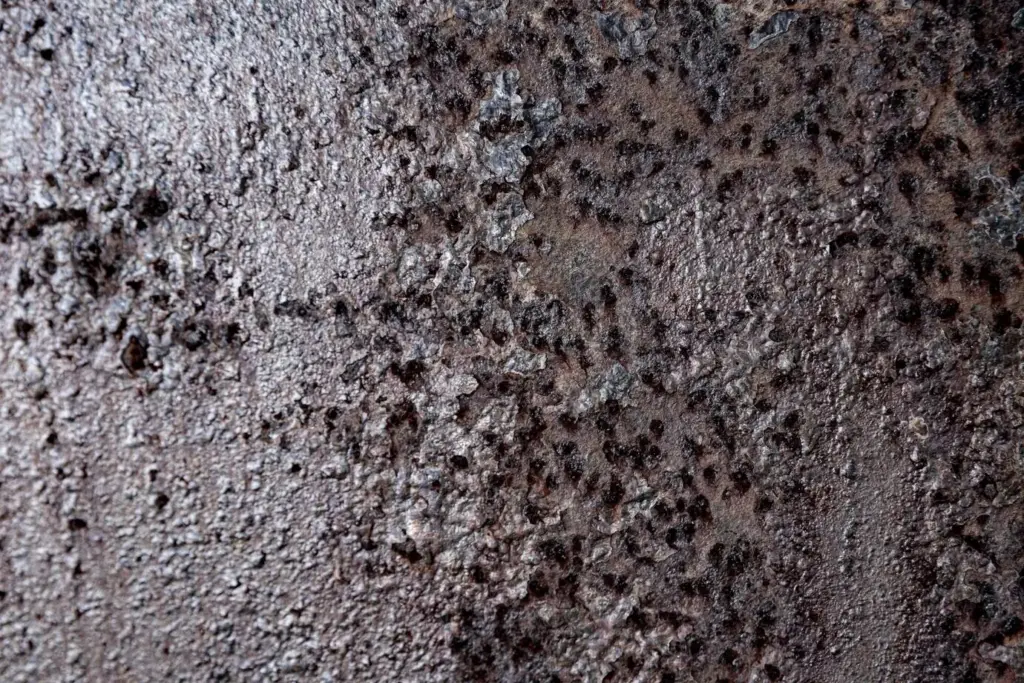
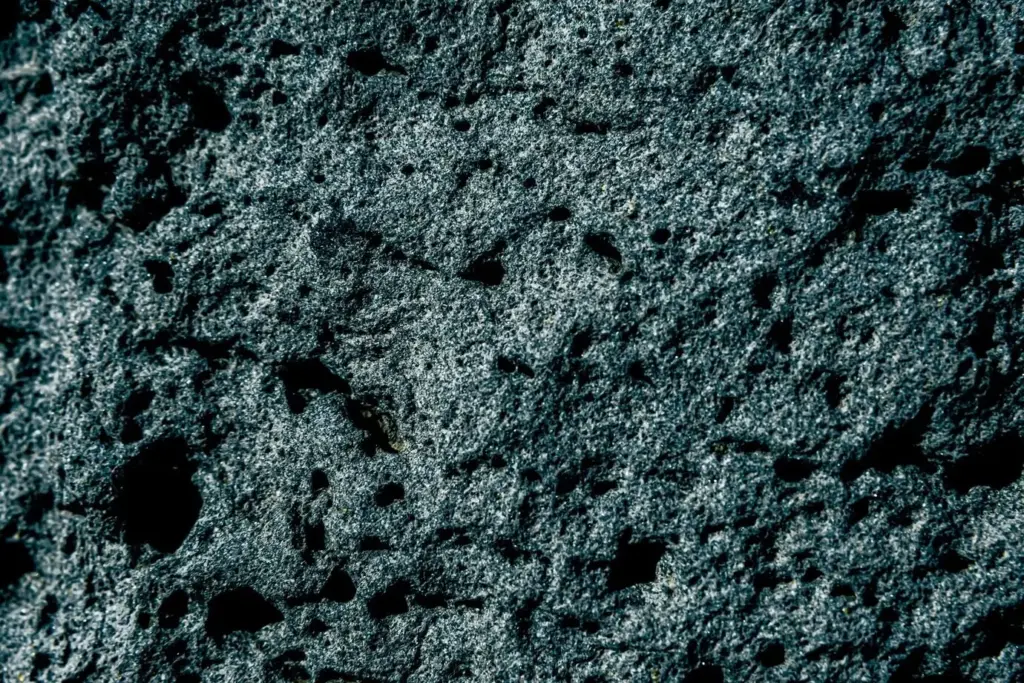
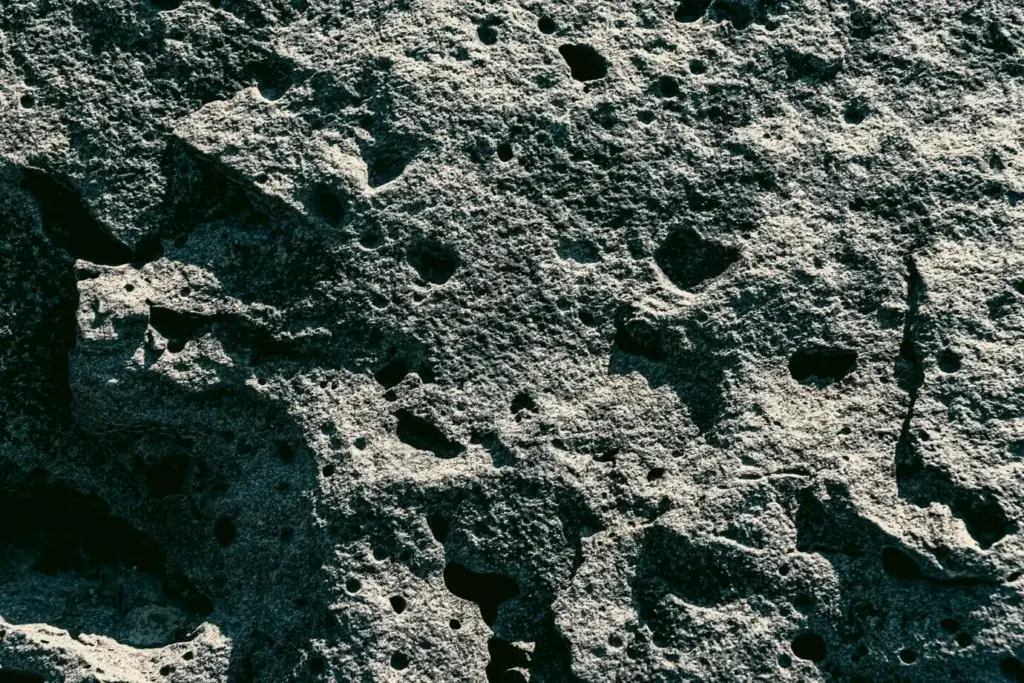
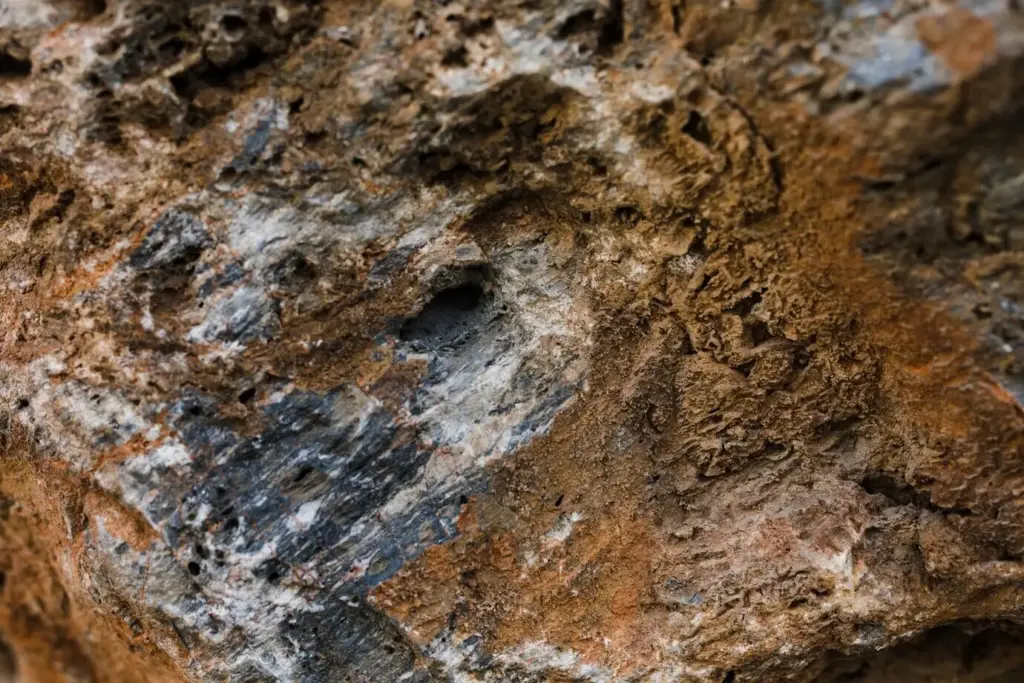
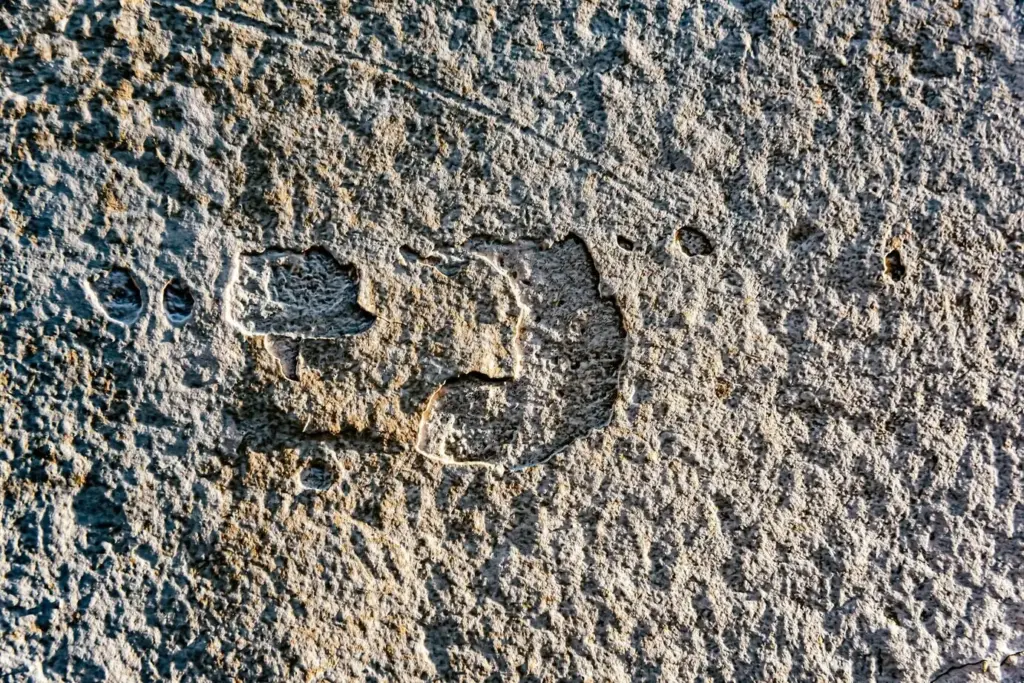
Understanding what makes these rocks visually special unlocks better creative choices. Iron bodies reveal crisscrossed Widmanstätten lines when acid meets polished metal. Stony varieties show chondrules, speckles, and fractured breccias. Ablation sculpts thumbprints called regmaglypts. Each structure suggests line systems, relief, rhythm, and contrast a designer can abstract without literal imitation.

Materials and Methods That Capture Otherworldly Grain

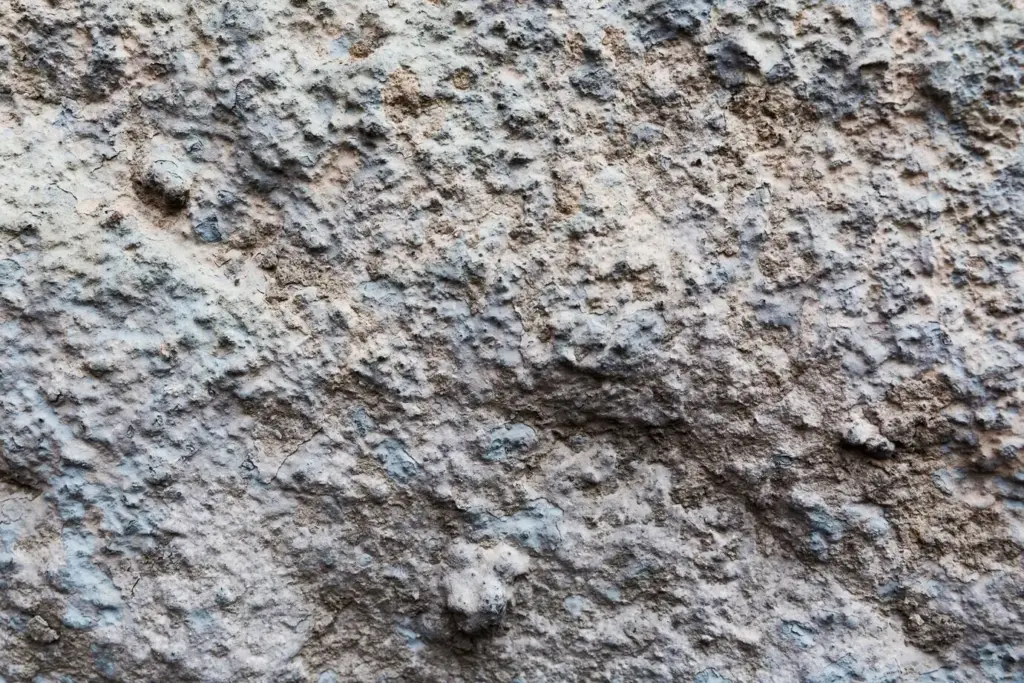
Translating space-worn textures thrives on method. Metals accept etching, bluing, and layered patinas. Ceramics crystallize, craze, and variegate under precise firing curves. Concrete and microcement hold impressions beautifully. Textiles accept embossing, jacquard mapping, and devoré. Choose techniques that build depth gradually, revealing complexity under changing light rather than relying on loud, one-note effects.

Metal Finishes with Planetary Memory

Start with cold-rolled steel or nickel-plated brass, then score directional lines before selective acid etch. Neutralize carefully and layer heat bluing with wax. Introduce restrained brass inlays that cut across like crystal lamellae. A satin topcoat preserves micro-contrast, ensuring surfaces feel forged and lived-in, not freshly machined or theatrically distressed.

Ceramic and Glass Crystallization Paths

Crystalline glazes, properly seeded and cooled, bloom star-like forms reminiscent of metallic lattices. Pair with iron-saturated slips for meteorite grays. In glass, experiment with devitrification and mica inclusions for quiet shimmer. Use mold textures echoing regmaglypts, then sandblast selectively to balance gloss and matte, guiding attention to relief and gentle shadow play.
Palette Building From Fusion Crust to Nickel Sheen

{{SECTION_SUBTITLE}}
Deep Blacks With Breathing Highlights
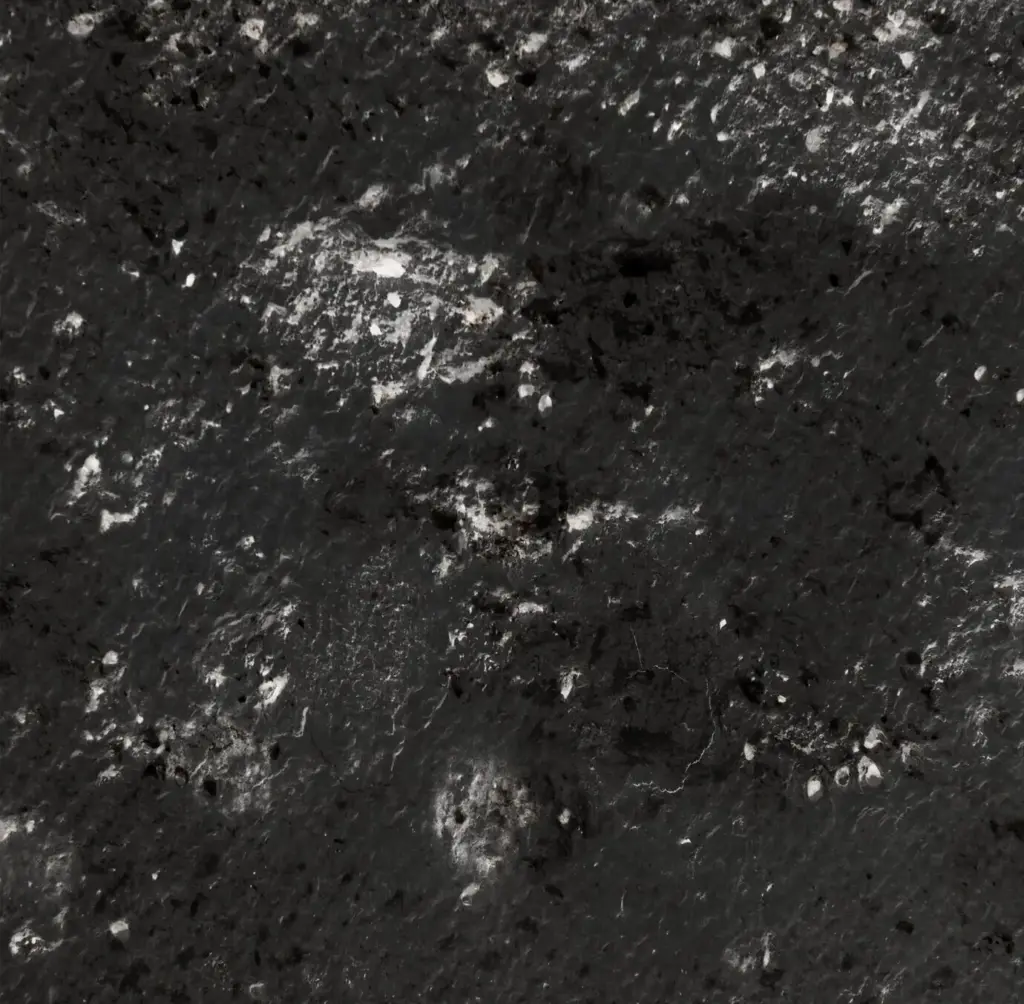
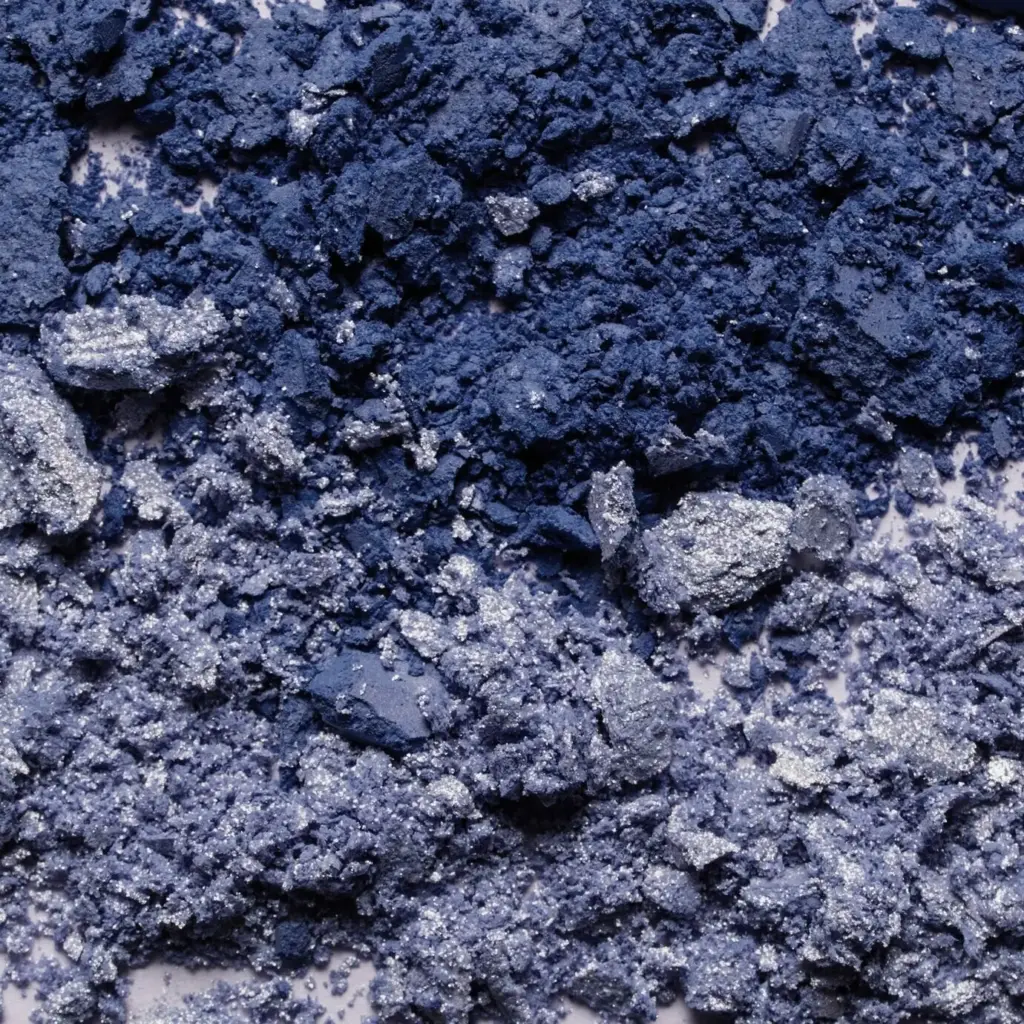
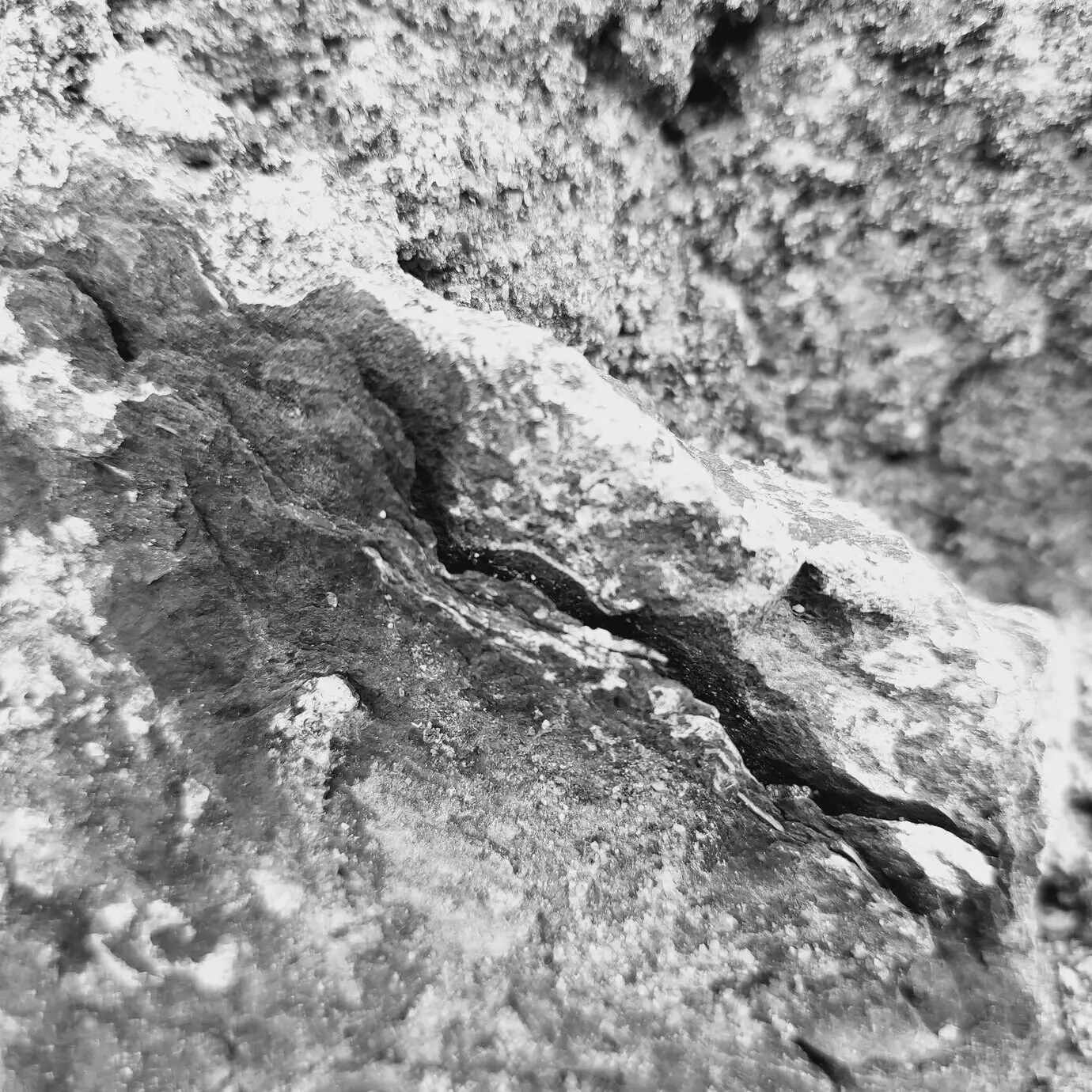
Create depth with layered blacks: bone black wash, graphite rub, and a soot-tinted varnish. Introduce pinpoint silver leaf or aluminum powder within recessed lines, catching light without glare. The goal is velvet darkness punctuated by microscopic constellations, so contours read confidently, and edges never collapse into muddy, lifeless opacity under ambient lighting.

Grays That Feel Forged, Not Flat

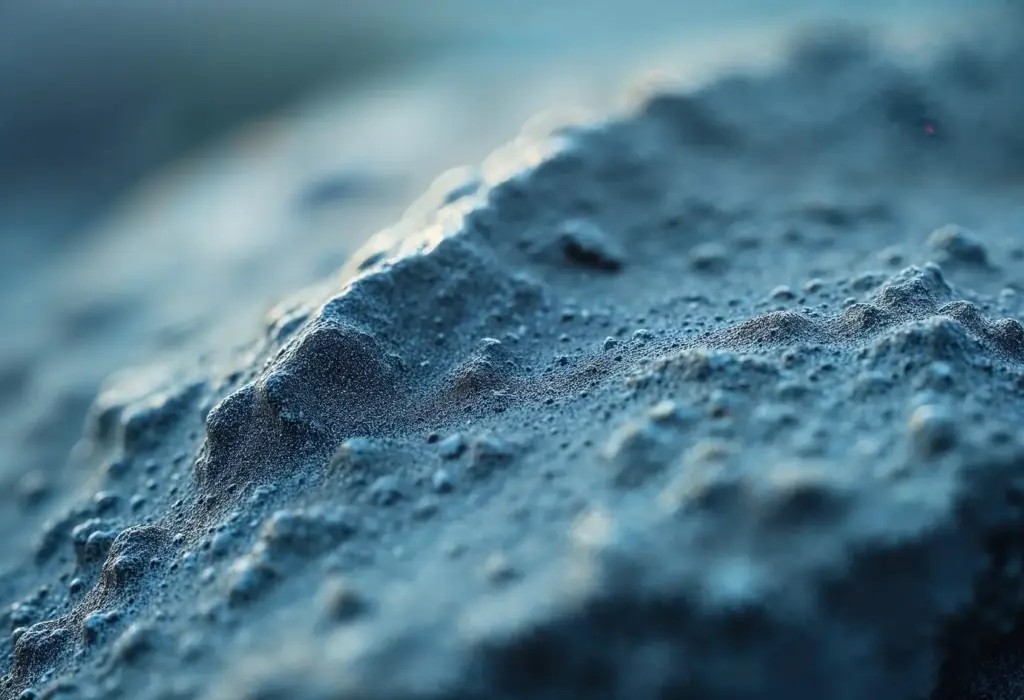
Mix neutral grays with a whisper of blue for metallic coolness, then glaze with transparent smoke to soften. Dry-brush pale pewter across peaks to lift texture. Temper with a warm gray adjacent plane, preventing sterility. This forged spectrum keeps surfaces conversational with daylight, shifting mood as sun angle and intensity change naturally.

Stories From Studios Bringing Space Indoors

Practitioners translate cosmic cues into intimate objects and public moments. Their lessons mix craft, patience, and clear storytelling. By studying process decisions and client reactions, you can tune your own approach, avoiding gimmicks while anchoring memorable experiences that feel grounded, responsible, and inviting to audiences across disciplines and budgets.

Responsible Craft, Realistic Budgets

Not every project should use actual space rocks. Responsible practice favors transparent sourcing, sustainable simulants, and digital twins where appropriate. Aim for longevity, easy maintenance, and minimal toxicity. Thoughtful choices deliver cosmic resonance without wasteful spectacle, supporting clients who value beauty, durability, and honest storytelling over novelty for novelty’s sake.

Exercises to Train Eye and Hand

Short, repeatable studies build fluency. Move between observation, abstraction, and making. Emphasize scale shifts, from notebook thumbnails to hand-sized tiles. Document lighting changes and touch feedback. These exercises encourage disciplined exploration, helping you find a signature approach that respectfully channels cosmic texture without falling into repetition or superficial, literal mimicry.
Collect reference images of etched irons, then trace dominant angles and spacing. Translate them into three families of line weights. Overlap families with intentional misalignments to invite serendipity. Annotate how light grazes these constructions. By week’s end, your pages should hum with orderly tension and subtle irregularities that feel authentically grown.
On scrap steel, test vinegar and salt with time-controlled applications. Mask areas using wax crayons to create crisp intersections. Neutralize responsibly and apply black wax to settle into grooves. Photograph under multiple rakes of light. Record which sequences yield legible patterns without harsh residues, then evolve those recipes for studio-scale, code-compliant workflows.

Share, Compare, and Grow Together

Upload images with consistent lighting, short captions explaining intent, and a materials list. Credit collaborators and cite scientific references when visual cues come from specific specimens. Clear metadata helps peers search effectively, acknowledge contributions fairly, and trace outcomes back to experiments, making future iterations smarter, safer, and better aligned with shared values.
Offer observations about clarity, durability, and sensory impact rather than taste alone. Ask what a surface invites the hand to do, and how it behaves in low light. Suggest concrete tests, not vague fixes. Kind, specific critique shortens learning curves and keeps curiosity alive through inevitable plateaus and occasionally discouraging rounds of refinement.
Expect rotating challenges like line density studies, dimple arrays for wayfinding, or chondrule-inspired packaging textures. Deadlines remain gentle but real, encouraging consistent practice. We’ll feature diverse outcomes, discuss process openly, and invite guest practitioners to demonstrate how constraints reveal fresh possibilities without sacrificing safety, sustainability, or long-term usability in the world.
Nariveltomexovexo
Privacy Overview

This website uses cookies so that we can provide you with the best user experience possible. Cookie information is stored in your browser and performs functions such as recognising you when you return to our website and helping our team to understand which sections of the website you find most interesting and useful.