
From Clay to Cosmos: Crafting Meteorite-Like Surfaces
Today we dive into ceramic and sculpture techniques for recreating meteorite-like surfaces, blending observation, chemistry, and studio craft. Expect regmaglypts, fusion-crust sheens, metallic speckles, carbon-trap drama, and textured forms that feel freshly fallen. Follow along, share experiments, and help this cosmic ceramics community grow with curious questions, brave tests, and reflective notes.
Reading the Sky in Stone
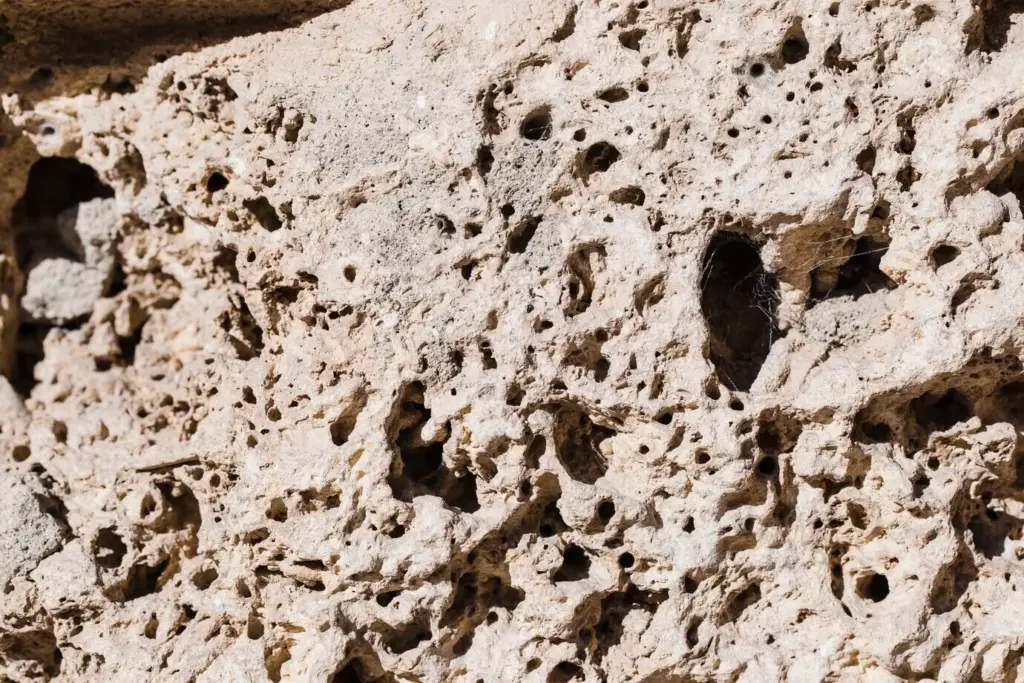
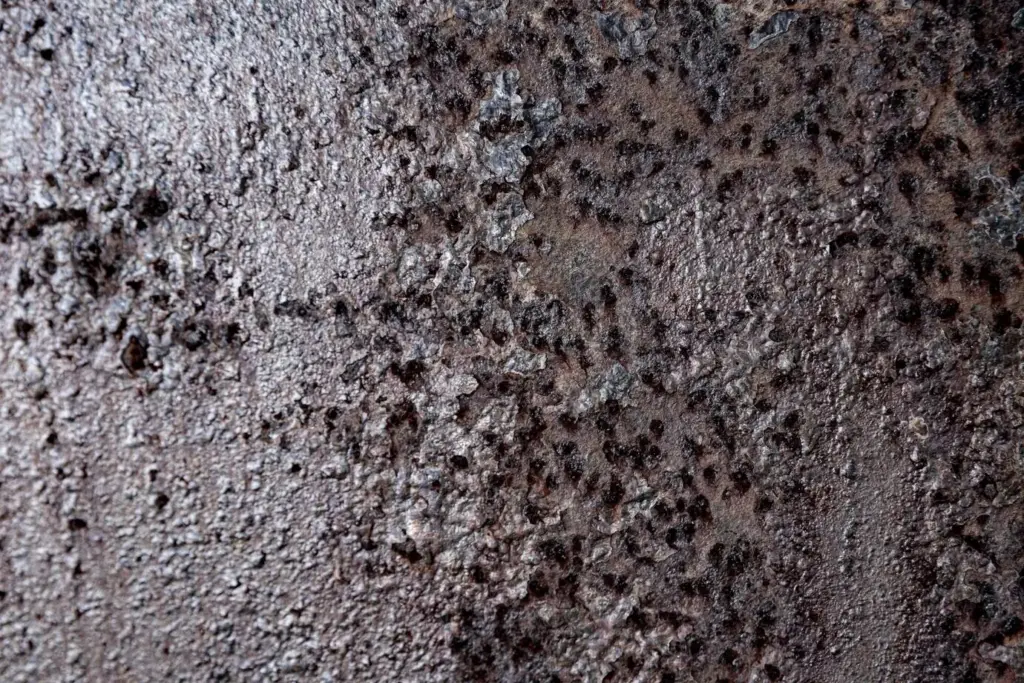
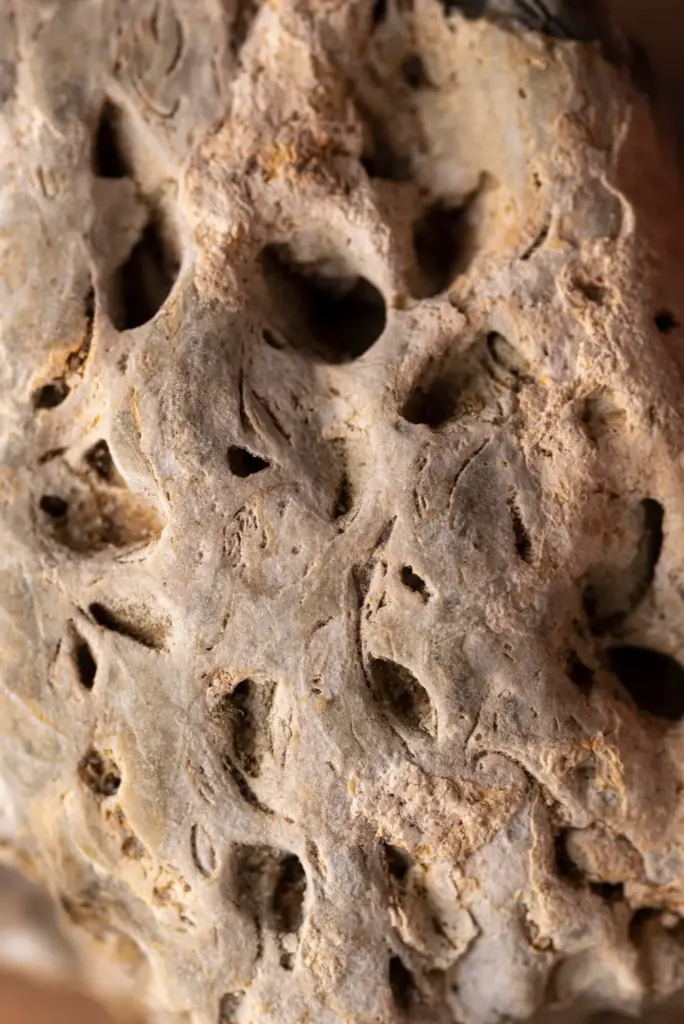
Before shaping clay, we study real specimens, high-resolution images, and field reports to decode regmaglypts, flow lines, fusion crusts, and fractured interiors. Sketching and macro photographs map pits, ridges, and color halos. Translating these signatures into tactile moves anchors every decision, turning scientific curiosity into dependable studio gestures that consistently read as born from fire, flight, and sudden impact.
Building the Right Body
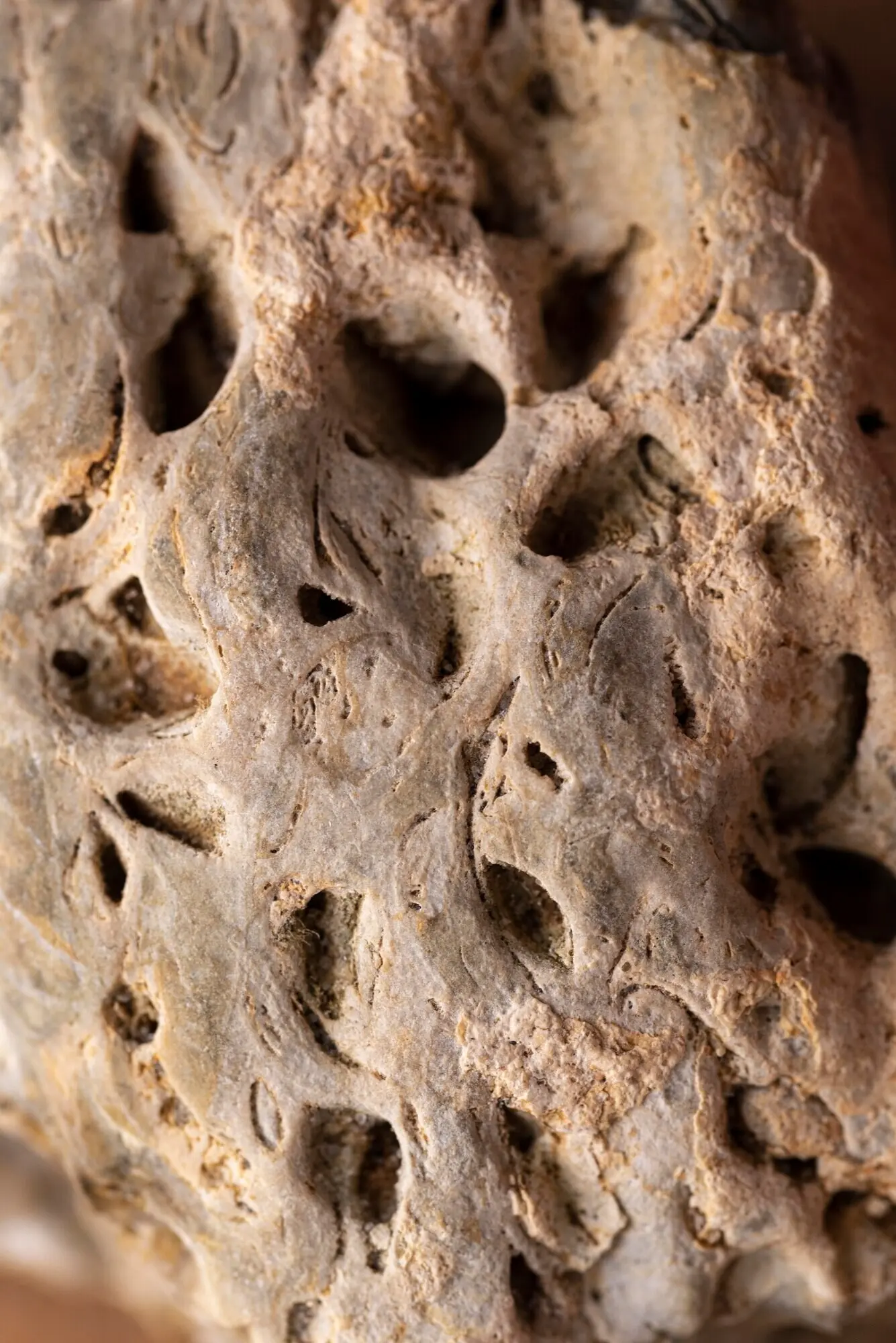
Texture begins inside the body. Dark stoneware enriched with grog, pumice, or crushed lava yields rugged edges and thermal resilience. Paper clay bridges fragile joins without hiding grit. Balanced plasticity, shrinkage, and particle size distribution avoid warping, while strategic vents release steam so complex, cratered walls survive bisque and final maturation intact.
Carving Erosion with Tools and Time
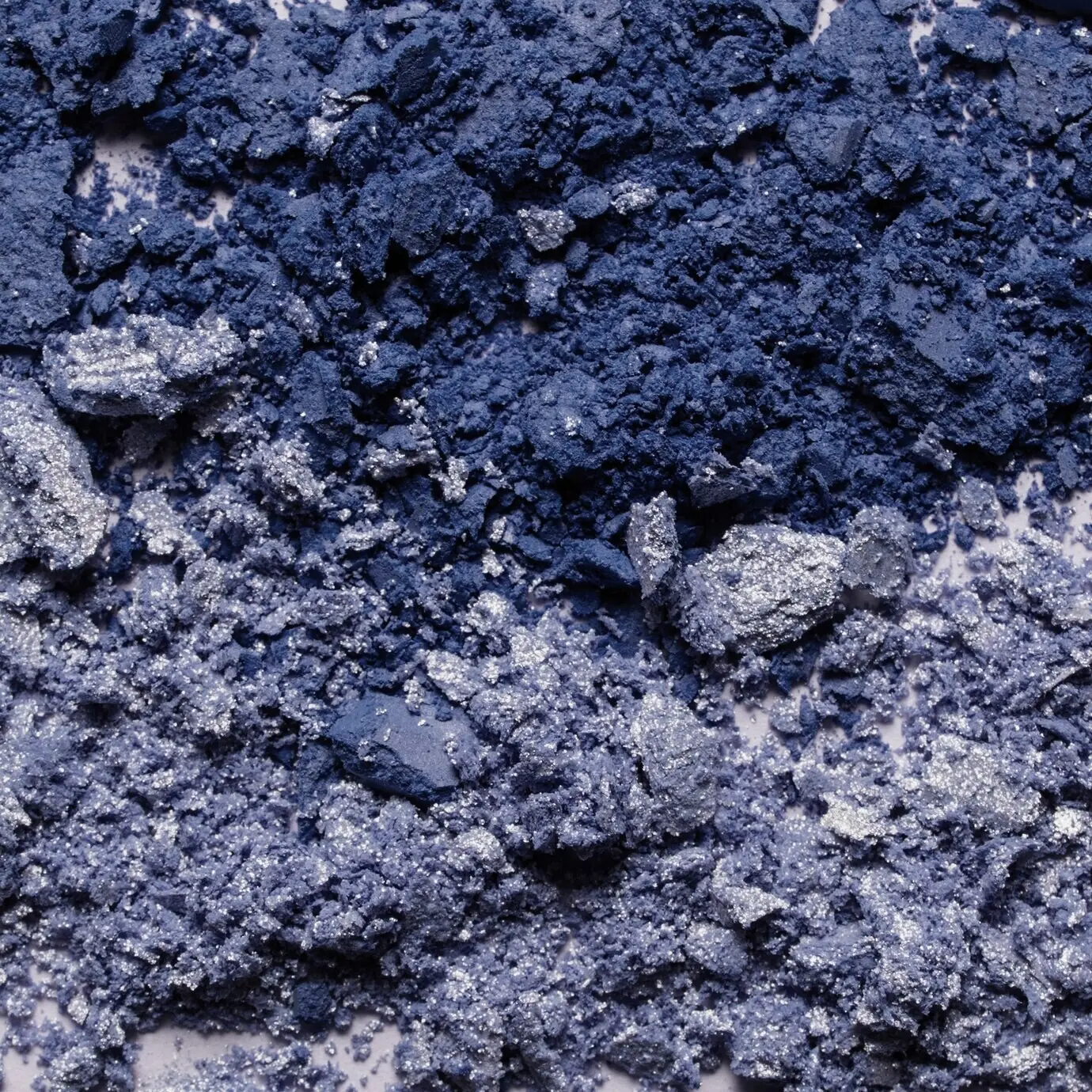
Work leather-hard for crisp scoops that still heal tool marks. Blend loop cuts with sponge compression to avoid brittle rims. Alternate carving and soft brushing, keeping asymmetry. Gravity helps; let slips sag slightly, hinting at airflow. Photograph progress under raking light to verify shadows feel aerodynamically formed, not random.
Crackle Skins with Sodium Silicate and Slip
Paint deflocculated slip, coat with sodium silicate, then stretch walls carefully as heat guns or sunlight dry the surface. Networks of cracks appear like shock lines. Stabilize with thin engobes, preserving islands of intact skin that juxtapose fragmented crust, echoing thermal gradients endured during atmospheric entry.
Fire, Atmosphere, and Cooling
Atmosphere writes the final story. Reduction deepens iron, oxidation stabilizes subtlety, and soda or wood throws volatile color where edges invite it. Cooling curves crystallize surprises or lock in matte mystery. Thoughtful stacking, saggers, and strategic wadding protect delicate textures while flame, ash, and vapor carve luminous paths.
Iron Saturation, Oilspots, and Subtle Luster
Build depth with iron-heavy slips under oilspot or tenmoku, then interrupt with matte islands to prevent mirror-like glare. Platinum or copper lustres can sparkle, but use sparingly and label decorative. A final satin clear layers reflections softly, preserving craters while hinting at thinly glazed, heat-glossed edges.
Carbon-Trap Drama and Shino Halos
Layer carbon-trap shino over textured engobes, welcoming smoky webs that settle into scoops and skip across raised rims. Orange flashing frames darker centers, echoing fusion crust gradients. Slow cooling thickens shadows; faster drops keep sparkle. Keep notes on soda proximity, shelf height, and body iron for repeatability.
Graphite Rubs, Waxes, and Protective Sealers
After firing, rub powdered graphite on peaks, fix with microcrystalline wax, then buff until shadows gleam like burnished metal. Acrylic washes tone down over-bright spots. Always disclose cold finishes to buyers, avoid contact surfaces, and test for UV resistance if pieces will live in sunlight.
Form, Narrative, and Display
Convincing objects also tell a story. Curved silhouettes imply flight; fractured clusters suggest strewn fields; cutaways reveal molten hearts. Mounts, pedestals, and shadow gaps heighten drama. Cite witnessed falls like Chelyabinsk to anchor imagination. Invite viewers to trace edges, hear silence, and feel gravity tug at textures.
Tests, Safety, and Shared Discovery
Rigorous testing and respectful safety keep experiments joyful. Tile grids, leach checks, and glaze fit trials prevent heartbreak. Respirators, wet cleanup, and good ventilation protect lungs. Clear labels and firing logs safeguard studios. Community notes, failures included, accelerate learning while honoring shared kilns, materials, and collective curiosity.
Protecting Lungs, Kilns, and Community
Silica dust, manganese fumes, and copper volatiles demand caution. Wear NIOSH-approved respirators, keep trimming wet, and vent kilns thoroughly. In shared spaces, post material lists and firing plans. Never fume metals without permission. Safer habits preserve health, friendships, and the freedom to keep exploring difficult surfaces.
Tiles, Grids, and Notes that Matter
Make incremental grids that vary slip thickness, aggregate percentage, and cooling schedules across rows and columns. Fire duplicates to confirm findings. Photograph with consistent light, annotate backs with codes, and store by series. Over time, patterns emerge, turning surprises into repeatable techniques ready for confident, ambitious builds.
All Rights Reserved.