Forging Cosmic Patterns for Everyday Design
Today we explore industrial finishing methods to replicate meteorite textures in consumer products, translating cosmic patterns into manufacturable surfaces. Expect practical techniques, honest trade‑offs, and stories from the shop floor that reveal how blasting, etching, lasers, coatings, and color bring stardust allure to everyday objects.

Reading the Sky in Metal Grains

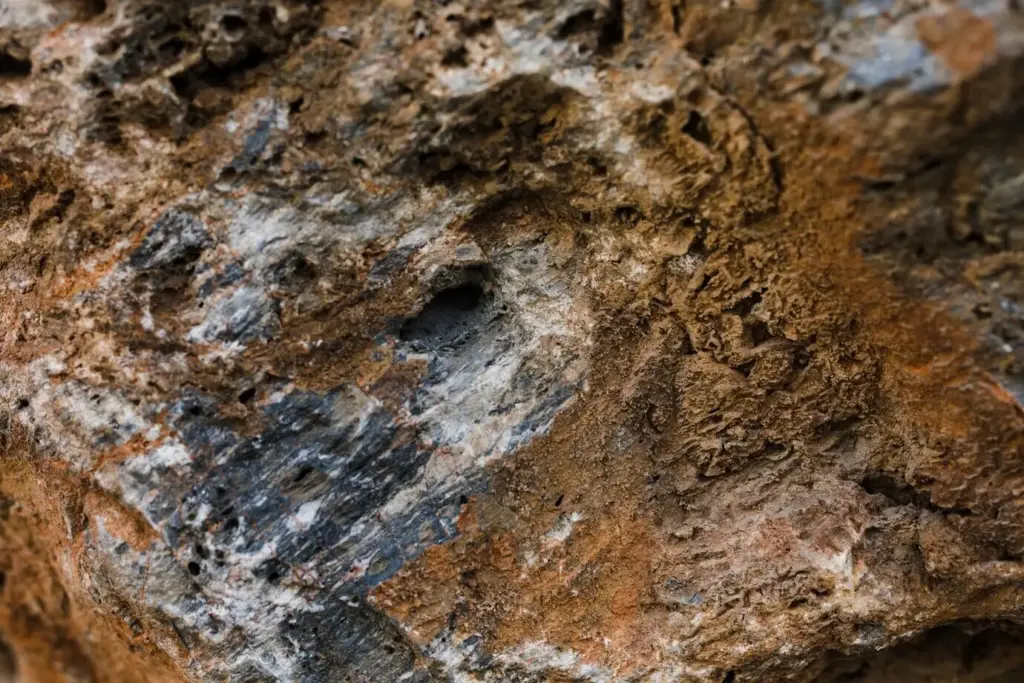
The famed Widmanstätten lines inspire linear, intersecting geometries that we can echo through controlled etching or laser hatch strategies. By exaggerating grain direction, layering intersecting micro‑grooves, and using selective masking, we suggest long cosmic cooling without actual nickel‑iron crystals, preserving visual authenticity while keeping supply, safety, and cost firmly grounded in modern production.

Fusion Crust Drama Without the Heat

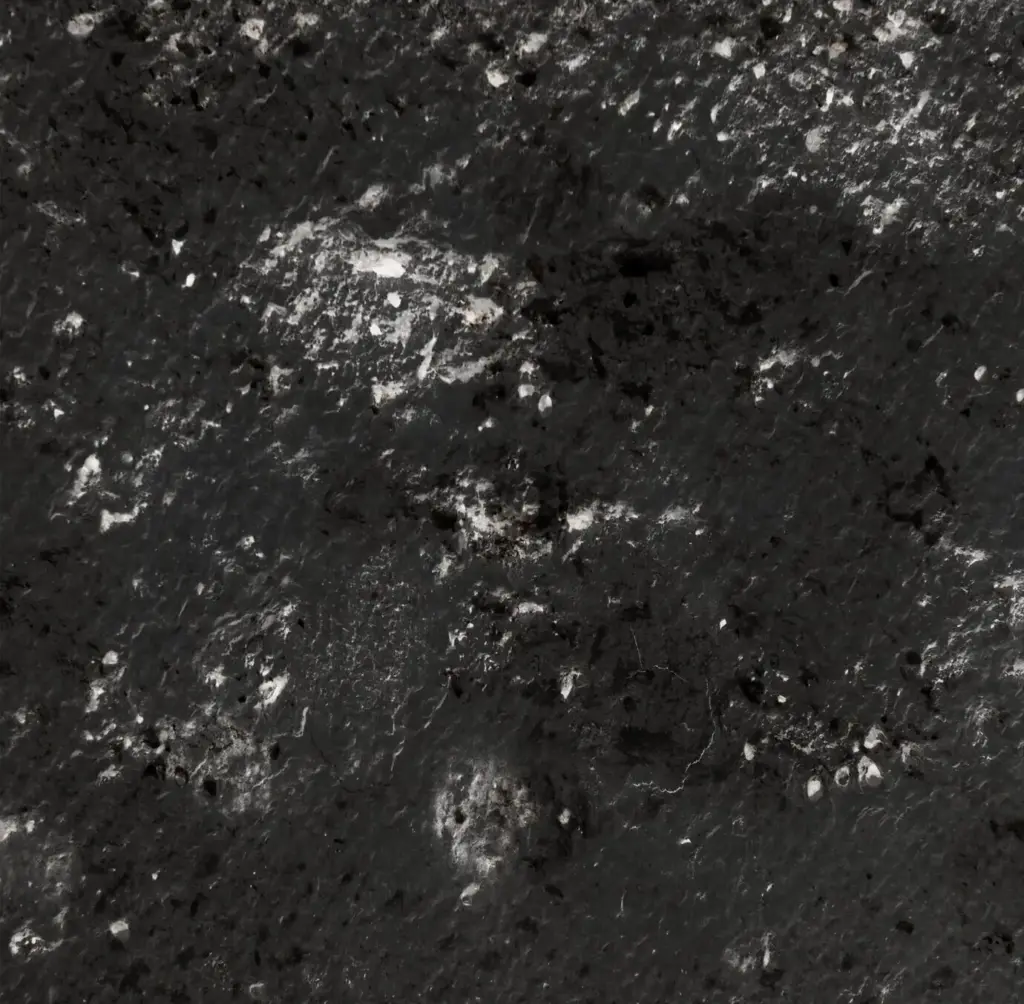
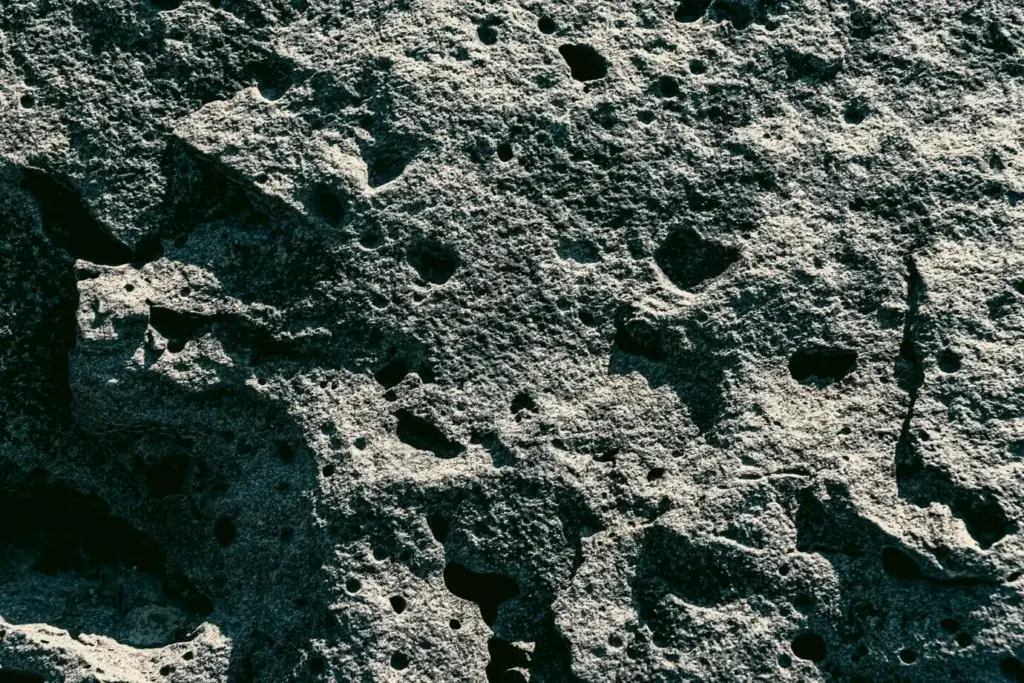
A meteorite’s fusion crust evokes scorched gradients, micro‑pits, and glassy dark highlights. We mimic this using staged abrasive blasting, dark conversion coatings or dyes, and hand‑applied metallic washes that catch edges. The combination creates crisp ridges and softened lows, allowing casual light to dance while fingerprints remain politely understated on resilient, cleanable surfaces.

Balancing Wonder With Manufacturability

Every alluring surface must pass the tests of yield, takt time, and variability across multiple suppliers. We translate dramatic references into process windows with measurable roughness, defined color coordinates, and pre‑approved rework paths. The result preserves the story while affording robust quality checks and cost predictability, so cosmic charm arrives reliably in every shipment.

From Cosmic Stones to Store Shelves

Meteorites carry a history etched by time, heat, and interstellar travel, yet consumer products need repeatable, safe, and scalable processes. We bridge that distance by decoding recognizable patterns, mapping them to robust workflows, and validating that what looks otherworldly can survive pockets, backpacks, fingerprints, salt spray, and the occasional weekend adventure without losing its magic.

Material Choices That Take the Finish Well

Replicating meteorite textures starts with the right substrate. Aluminum welcomes blasting, anodizing, and laser micro‑sculpting. Stainless offers durable etching and dark oxides. Titanium delivers striking interference colors. Polymers can mold textures directly. Ceramics and hybrid coatings add resilience. Selecting wisely means predictable adhesion, stable color, and surfaces that age into character rather than chaos.

Metals That Welcome Etchants and Beams

Aluminum 6061 and 7075 respond beautifully to bead blasting before Type II or Type III anodize, capturing valleys and locking in dyes. 304 stainless takes ferric chloride etch and black oxide for rich contrast. Titanium invites laser texturing plus voltage‑controlled anodizing, achieving iridescent depth while maintaining strength, corrosion resistance, and compelling tactile nuance across wear points.

Polymers That Mold Microtopography Cleanly

Textured steel tooling, EDM spark finishes, and laser‑engraved molds can inject repeatable micro‑pits and ridges into ABS, PC, or TPU. Add subtle dry‑brush paint passes and matte clears, and molded parts gain believable stony complexity with low unit cost. The key is gate placement, draft, and venting to keep those delicate details crisp and consistent.

Abrasive Media, Angles, and Smart Masking

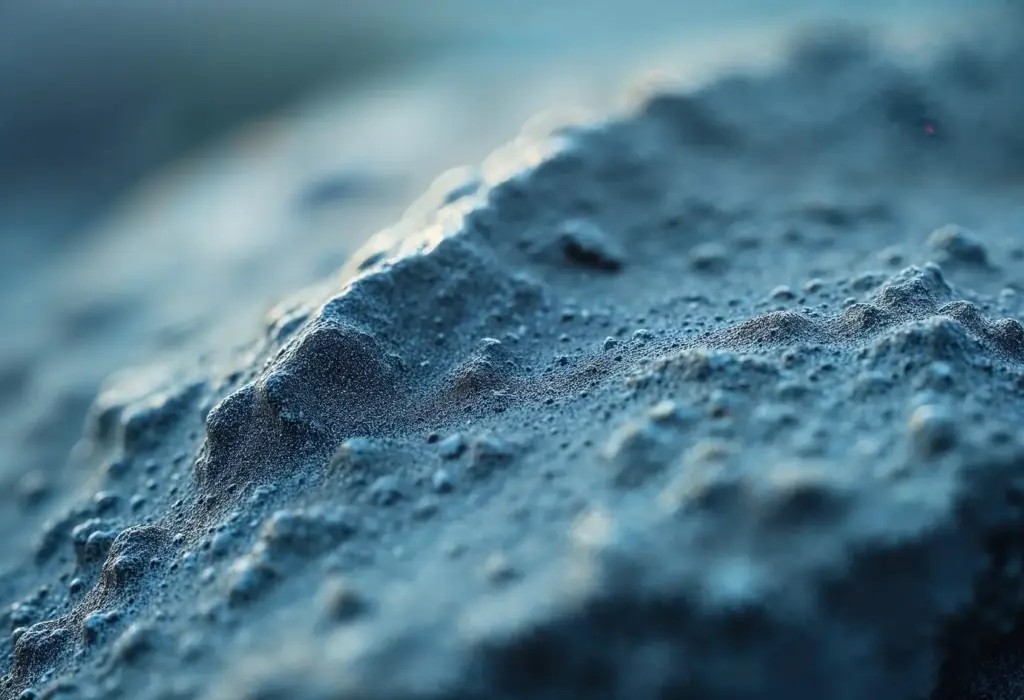
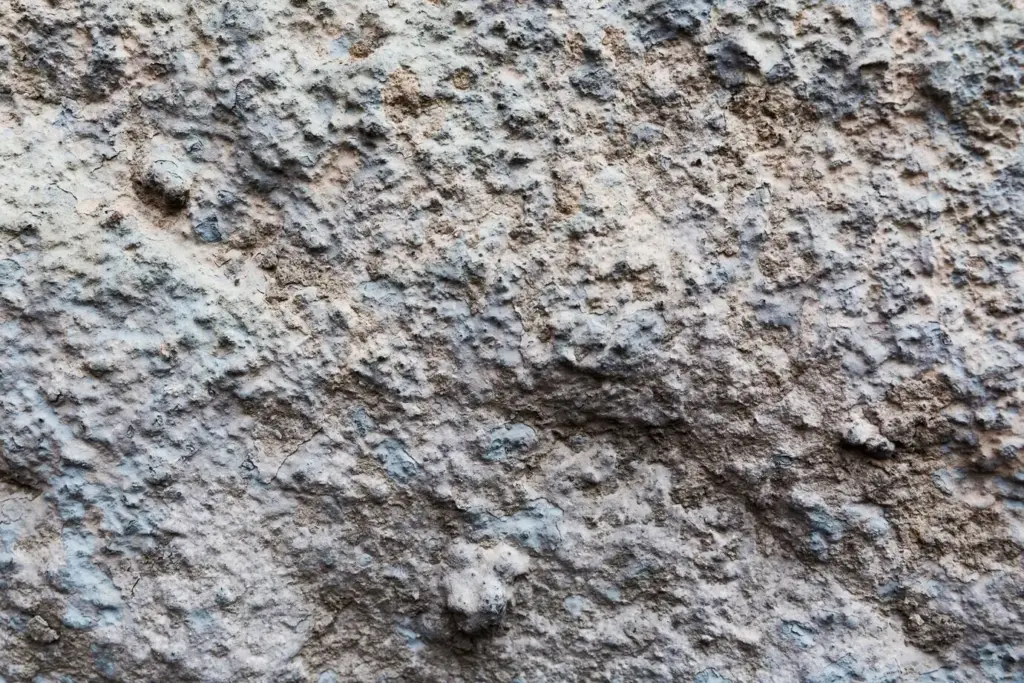
Glass bead creates silky valleys; aluminum oxide cuts sharper craters; ceramic shots toughen while texturing. Adjusting standoff, pressure, and nozzle angle sculpts controlled chaos. With laser‑cut masks or tape films, we protect edges, stage multiple passes, and create convincing fusion‑like rims that catch light strategically without compromising ergonomic touchpoints or assembly datum features.

Lasers, Parameters, and Grayscale Maps

Fiber lasers at 1064 nm with nanosecond pulses can hatch lines that suggest crystalline intersections. Varying fluence, hatch spacing, and overlap builds multi‑depth relief. Grayscale rastering translates photographed meteorite slices into controllable height fields. Finish with soft blasting or passivation, and the surface retains sharp highs, clean lows, and a narrative that rewards close inspection.

Electrochemistry, Photoresists, and Controlled Chaos

Photoresist stencils guide acid or alkaline etches, forming intersecting channels reminiscent of nickel‑iron matrices. Agitation, temperature, and time fine‑tune depth while sacrificial test coupons lock parameters. Electrochemical machining adds burr‑free precision. Follow with neutralization, thorough rinses, and passivation to stabilize color acceptance so subsequent coats or anodize deliver the intended layered, celestial impressions.

Color, Oxidation, and Perceived Depth

Patinas, Washes, and Layered Glints

Start with a dark base—black oxide, manganese phosphate, or charcoal dye—so valleys recede. Add thin metallic washes rubbed across peaks to emphasize structure without filling detail. Finish with satin or soft‑touch clear, adjusting gloss units to manage fingerprints while allowing gentle specular flashes that keep the eye exploring every crater, ridge, and cosmic groove.

Anodizing Tricks for Titanium and Aluminum

Type III anodize on aluminum locks in micro‑relief, drinks dye deeply, and withstands abrasion. Titanium’s voltage‑driven anodizing paints peaks with iridescent blues or golds, shifting with angle. Pre‑texture lightly, then color; final bead blast or tumble softens hot spots, ensuring the finish reads geological rather than decorative, while retaining corrosion resistance and consistent, serviceable maintenance routines.

Vacuum Coatings and Paint-First Alternatives

PVD nitrides deliver durable dark chromes and graphite tones that highlight etched networks, while DLC adds slick resilience. Where cost or throughput matters, basecoat‑paint‑clear stacks emulate depth using metallic pigments and micro‑flake orientations. Pair with laser‑masked accents to reveal raw texture beneath selectively, creating believable stratification that looks engineered yet intriguingly ancient at first glance.

Haptic Metrics That Match the Story

Meteorite cues feel best within balanced Ra and Rz ranges, where ridges guide fingers but pockets do not trap grime. We correlate panel feedback with profilometer data, tuning micro‑edges and gloss to create a confident, premium touch that rewards exploration while remaining friendly to sleeves, cases, and the textured surfaces of everyday companions.

Proving It in the Lab and the Field

Taber abrasion, pencil hardness, and cross‑hatch adhesion expose weaknesses early. ASTM B117 salt fog stresses coatings and anodize. Sweat simulants and sunscreen lotions test discoloration risk. Field riders, hikers, and office commuters then validate real‑world grip and cleanliness. When the lab and the street agree, we lock specifications and scale with calm confidence.

Care, Repair, and Aging With Character

Good finishes welcome maintenance. We define approved cleaners, microfiber routines, and touch‑up kits with matched dyes or waxes. Patinas evolve; we document expected color drift so customers appreciate aging as earned character, not failure. Replaceable accent parts or re‑finishing programs keep beloved products relevant while respecting the original narrative embedded in every ridge.

Co-create the Next Cosmic Surface

We love hearing how these finishes meet your imagination. Tell us where you want subtlety or spectacle, which colors feel truest, and what textures fit your hands. Join experiments, vote on prototypes, and subscribe for behind‑the‑scenes process breakdowns as we refine industrial finishing methods that convincingly whisper of distant, star‑born journeys.
Nariveltomexovexo
Privacy Overview

This website uses cookies so that we can provide you with the best user experience possible. Cookie information is stored in your browser and performs functions such as recognising you when you return to our website and helping our team to understand which sections of the website you find most interesting and useful.