
When Stone Remembers the Sky

Today we explore Regmaglypt-Inspired Surfaces for Architectural Facades and Interior Finishes, channeling the thumbprint depressions found on meteorites into tactile, light-catching patterns for buildings. From scientific origins to fabrication techniques and performance benefits, discover how celestial textures enrich daily spaces. Expect practical detailing tips, material guidance, and heartfelt stories from prototypes that surprised clients. Share questions, bookmark design ideas, and subscribe if these cosmic imprints spark concepts you want to test on your next facade, lobby wall, bench, stair, or gallery plinth.

Origins Shaped by Fire and Flight

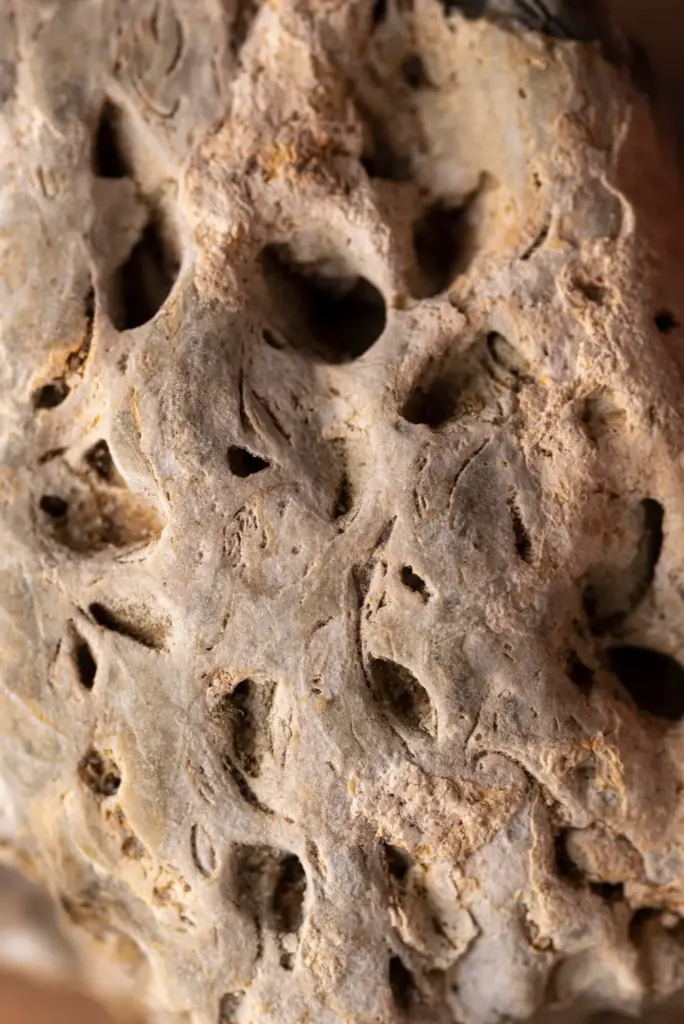
Regmaglypts form when meteorites scorch through atmosphere, their surfaces carved by ablation, vortices, and melting that freeze into mesmerizing dimples. Designers borrow that logic to craft resilient architectural reliefs that steer light, welcome touch, and narrate cosmic journeys. Here, we connect geology, computational patterning, and craft, showing how rigorous research transforms a poetic scientific phenomenon into practical building envelopes and interior finishes people immediately recognize, even if they cannot name why it feels ancient, protective, and strangely familiar.

Understanding the Meteorite Thumbprint

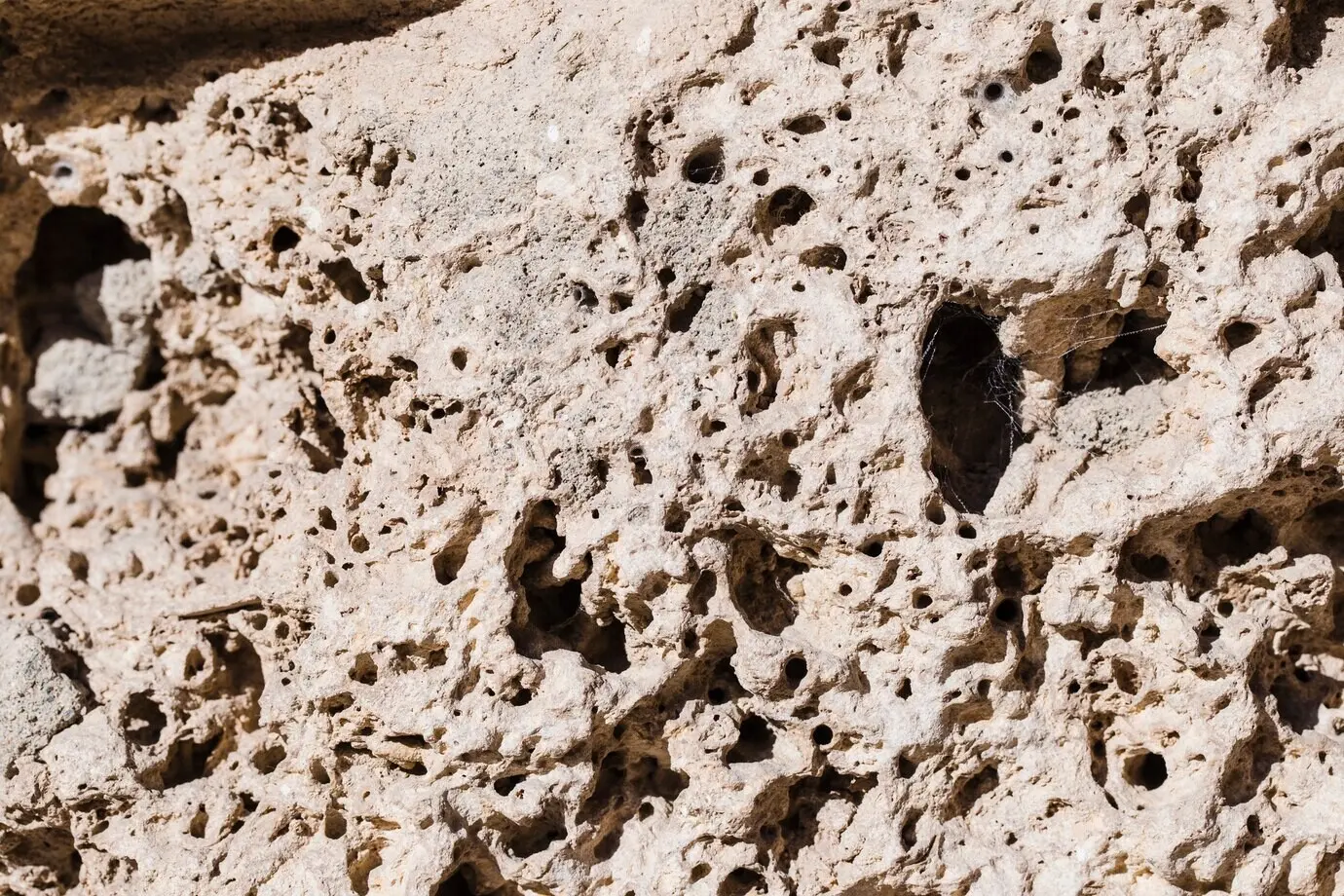
Imagine metal and stone racing hypersonically, edges scorching while turbulent air scoops gentle pits. Those pits, called regmaglypts, record flow like fingerprints of fire. Translating them responsibly begins with studying specimens, wind-tunnel analogs, and high-resolution scans, so designers honor physics rather than inventing arbitrary dimples that only imitate drama without the underlying intelligence of formation and directional logic.

Translating Turbulent Logic into Drawings

Parametric tools map curvature, directional vectors, and depth variability derived from photographed fragments and computational fluid dynamics references. Instead of repeating one crater, we script families of related depressions whose spacing responds to panel size, hand reach, glare control, and drainage. The result looks expressive yet remains measurably purposeful, like an instrument tuned to location, program, and material constraints.

Scale, Proportion, and Perception

A single dimple that delights on a handheld meteorite can overwhelm a lobby wall. We test multiple scales, mixing shallow micro-etching with deeper cups that catch shadow at sunset. Visitors read distance first, then approach to discover comforting pockets for fingertips, building a layered memory that rewards repeat encounters and encourages stewardship through affection and curiosity.

Materials and Finishes with Enduring Character

Choosing the right substrate turns poetic intention into durable reality. Exterior envelopes may favor architectural concrete, fiber-reinforced composites, fired ceramics, or weathering steel, while interiors benefit from gypsum, cork, timber, or mineral plasters. Each responds differently to tooling, light, and care. We compare costs, weights, tolerances, and sealing strategies to ensure the texture sings today, ages gracefully, and withstands commercial demands without losing its inviting, reassuring tactility.

Architectural Concrete and Ultra-High-Performance Mixes

Concrete receives relief beautifully, especially with ultra-high-performance mixes that capture sharp edges and resist chipping. Flexible rubber molds or 3D-printed form liners make repetition efficient without monotony. By rotating liner orientations and varying depth slightly, panels feel bespoke yet remain economical. Integrally colored aggregates and post-cure micro-sandblasting deepen shadow lines while maintaining serviceability in harsh freeze–thaw cycles and coastal spray.

Stone, Ceramics, and Sintered Surfaces

Granite, basalt, and engineered sintered slabs accept precise milling for outdoor cladding and benches. Ceramics offer glazing drama and sanitary cleanability for interiors. We weigh kerf waste, tool wear, and anchor strategies, favoring lighter sintered options where structure is limited. Select finishes that resist fingerprints on concave areas, balancing satin sheen with enough tooth to read texture under oblique light without requiring relentless maintenance.
Warm Interiors with Timber, Cork, and Bio-Resins

Tactile walls near seating zones benefit from renewable materials. CNC-routed timber brings warmth but needs smart grain orientation to avoid tear-out across depressions. Cork tiles compress kindly under touch, dampen sound, and welcome gentle hand-cleaning. Bio-resin terrazzo captures fine pebble shadows, celebrating circular aggregates. Combine subdued sealers and replaceable modules so high-contact zones can be refreshed without wasteful, building-wide interventions.

Robotic and Five-Axis Milling for Precise Relief

Industrial robots and five-axis mills translate scripts into consistent cavities, perfect for stone, UHPC, and dense timbers. Toolpath strategies modulate scallop height to avoid chatter in concave transitions. We combine coarse roughing with ball-end finishing passes, then lightly hand-burnish select edges so the final surface reads crafted rather than machine-perfect, maintaining the meteorite spirit without compromising tolerance control or installation sequencing.

Casting, Templating, and Reusable Mold Strategies

Reusable silicone or polyurethane molds reduce cost and material waste across many panels. Indexing keys and backer frames ensure alignment, while varied inlays subtly change the crater family without new tooling each pour. Smart demolding chamfers protect edges. We document curing schedules, release agents, and patching techniques so maintenance teams can invisibly repair chips and keep the relief legible for decades of daily contact.

Performance You Can See, Hear, and Touch

Beyond beauty, the relief works. Concavities scatter sound, soften glare, and shed water thoughtfully. Strategic pattern gradients support wayfinding, signaling entries or quiet zones without signage overload. We test metrics—reverberation times, daylight glare indices, slip resistance, and thermal comfort—then adjust geometry and finish. Performance turns sculpture into service, making every ripple justify its presence to users, maintenance crews, and approving authorities.

A Coastal Gallery Learns to Catch Fog

On a windy headland, a modest art gallery wrapped its entrance in textured concrete panels. Morning fog beaded in tiny cups, shimmering like mercury as sun arrived. Visitors traced droplets with smiles, then stepped into calmer acoustics. The curator reported longer dwell times, while maintenance confirmed easy rinsing. That small entry wall quietly transformed brand identity, photography, and neighborhood affection.

Transit Hall Relief that People Actually Touch

In a busy interchange, tiled gypsum relief along a long corridor reduced echo and guided flows. Commuters lined up against the wall instinctively, hands resting in smooth hollows while waiting. Graffiti dropped, replaced by selfies and shared directions like, “meet me by the moon prints.” Cleaning staff praised rounded edges; designers learned to thicken vulnerable corners near luggage swings without changing the inviting feel.

Students Discover Joy in Imperfection

A design-build studio carved recycled cork modules by hand, following loose parametric diagrams. Their pieces varied, but the patchwork sang together when assembled. People touched the wall constantly during reviews. The class documented repair methods, fasteners, life-cycle impacts, and acoustics, publishing an open toolkit. Weeks later, scraps became keychains that funded next year’s public installation, keeping curiosity, generosity, and craft moving forward.

Stories from the Studio and the Street

Adoption often begins with a small mockup that steals attention during crowded presentations. Clients run their fingers across the surface, then ask for more. We recount projects where courageous material tests became beloved landmarks, and honest missteps taught crucial lessons. You will find encouragement to prototype boldly, invite community feedback, and treat surprise not as risk, but as a compass pointing to delight.

Details: Joints, Anchors, and Tolerances that Forgive

Relief complicates seams, but disciplined datum lines and variable-depth edge fades make joints disappear. Hidden anchors avoid stress concentrations behind deep cups. We propose gasketed slip connections to absorb movement, plus generous tolerances so trades succeed under real-site conditions. Share your redlines or photos; we gladly iterate details that protect expressive geometry without burdening crews or sacrificing speed.

Compliance, Cleaning, and Health Considerations

Concavities must remain cleanable and safe. We coordinate grime-resistant sealers with touch-friendly finishes that avoid volatile emissions. Accessibility reviews confirm tactile patterns complement—not replace—clear signage. Fire ratings, smoke development, and corner impact tests are documented early. We also schedule periodic audits, inviting facilities teams to flag trouble spots so adjustments, from nozzle choice to microfiber protocols, keep surfaces dignified and healthy.

Maintenance, Patina, and Circular Futures

Expect the surface to change, and design that journey. Seal less in protected interiors to welcome a soft hand-rubbed sheen; seal more outdoors where salts attack. Modular attachment allows selective replacement or refurbishment. We explore take-back agreements, recycled aggregates, and bio-based finishes so future updates minimize waste. Share your findings, subscribe for updates, and help build a living library of methods.

From Concept to Care: Your Implementation Path

Great ideas deserve smooth delivery. We outline milestones from briefs and mockups to procurement, installation, and long-term stewardship. You will find naming conventions for panel families, advice on quality control, and strategies for training cleaning crews. Most importantly, we encourage feedback loops with users, turning daily observations into updates that refine durability, accessibility, and joy across future phases or sister sites.
Nariveltomexovexo
Privacy Overview

This website uses cookies so that we can provide you with the best user experience possible. Cookie information is stored in your browser and performs functions such as recognising you when you return to our website and helping our team to understand which sections of the website you find most interesting and useful.