Forging Cosmic Stone: Procedural Meteorite Textures for Art and Games
Today we dive into procedural synthesis of meteorite textures for digital art and game assets, transforming real cosmic geology into controllable, repeatable node graphs. Expect chondrules, iron-nickel glints, fused crust, and ablation pits built from noise, masks, and domain warping, ready for PBR pipelines, optimized for engines, and tuned for dramatic, believable storytelling across concept pieces, cinematics, and interactive worlds.

Chondrules and Dusty Matrix

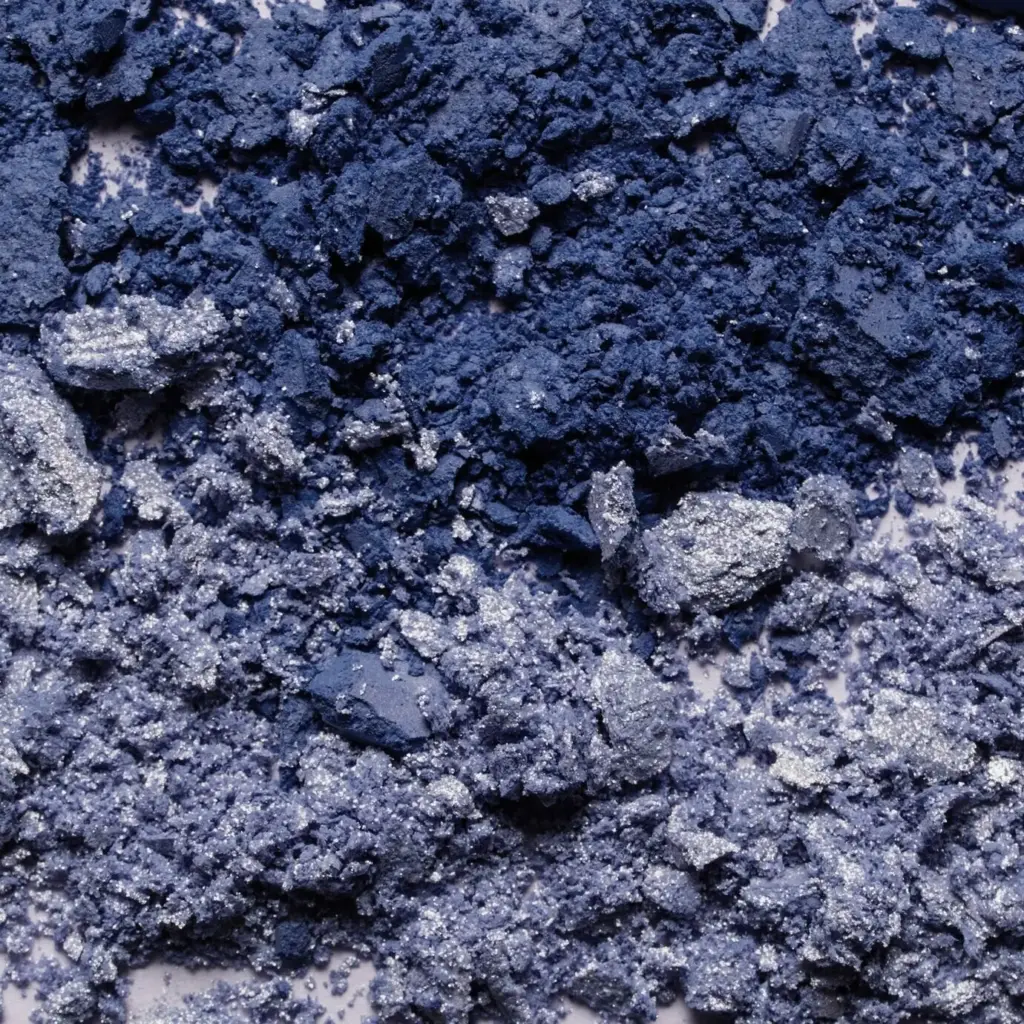
Those tiny, once-molten spheres nestled in fine-grained matrix define many meteorites at first glance. Recreate them with layered Worley cells for boundaries, softened by Gaussian blur or distance transforms, then jittered per-octave to avoid regularity. Blend FBM for powdery interstitial dust, sprinkle micro-specks via high-frequency noise, and color-grade with subtle warm-gray to brown tints, introducing size and density ranges that scale believably from macro beauty shots to gameplay camera distances.

Iron Lattices and Widmanstätten Echoes

Cut and etched iron meteorites famously reveal crisscrossing lamellae, a slow-cooled nickel-iron lattice. While not always visible on weathered exteriors, you can hint at this ordered complexity using anisotropic line noise, angle-quantized bands, and masked warps. Combine metallic albedo accents with restrained metalness and a shallower roughness valley to catch highlights. Keep it impressionistic for surface passes, reserving crisp linework for close-up materials, ensuring plausible storytelling without over-patterning gameplay environments.

Fusion Crust, Regmaglypts, and Ablation Scars

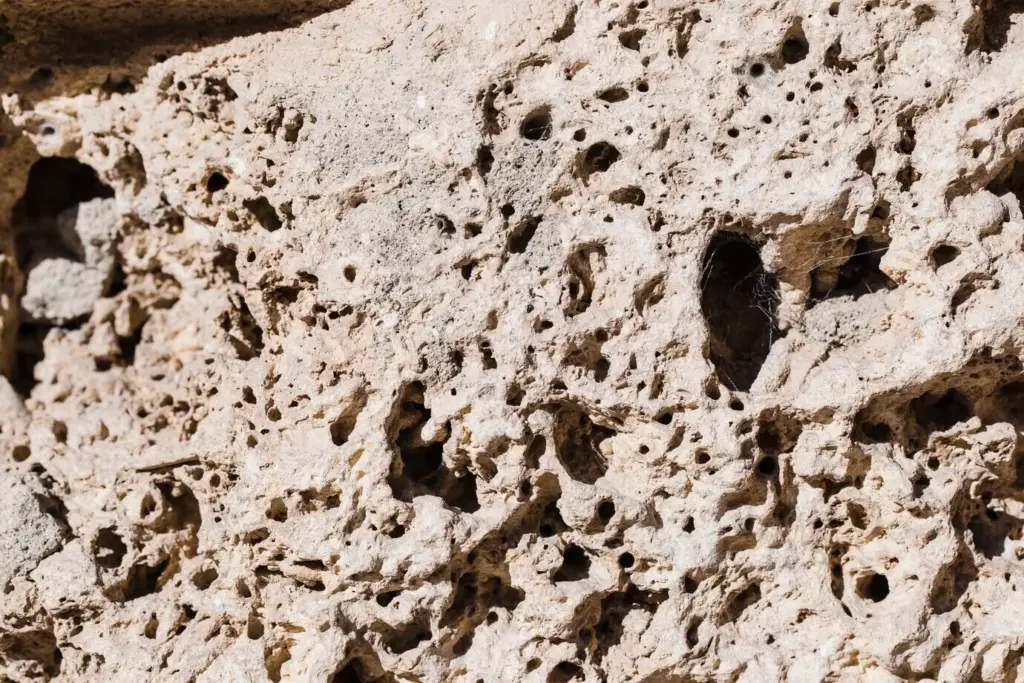
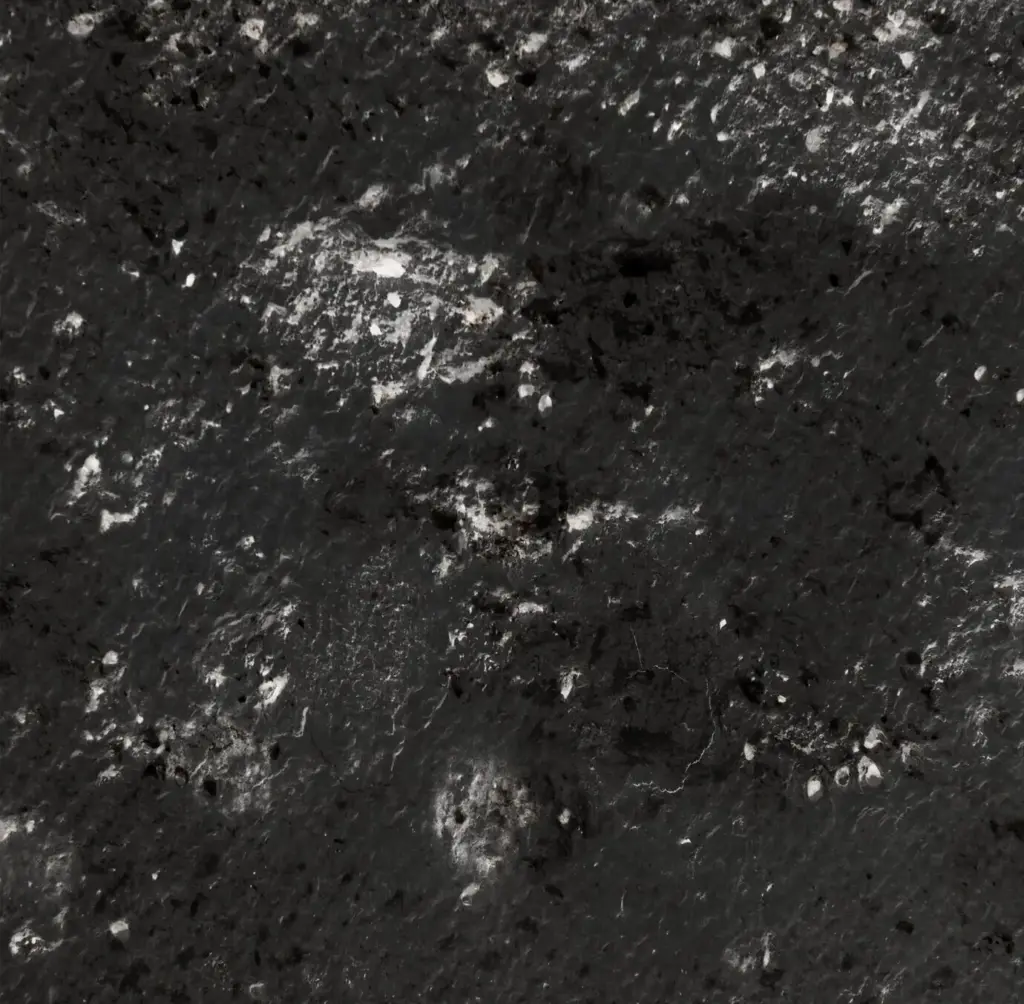
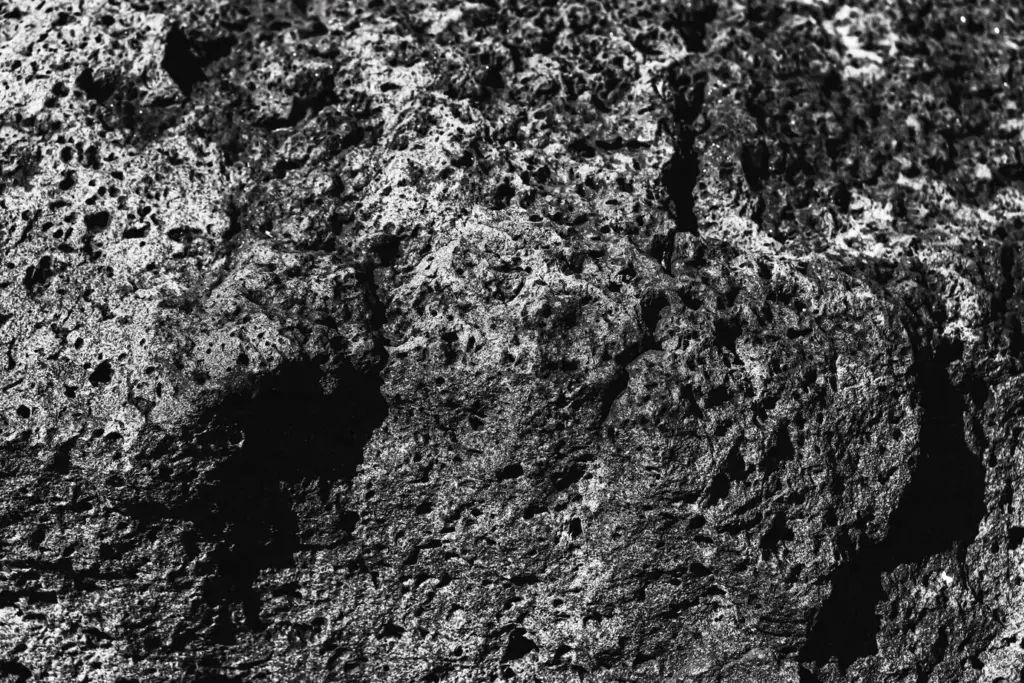
Atmospheric entry sculpts a dark, vitreous crust decorated with thumbprint-like regmaglypts. Procedurally, sculpt cavities using ridged multifractal inverted into pits, guided by slope or curvature masks to localize erosion. Overlay directional streaks from velocity-aligned noise to suggest ablation flow. In PBR, gently deepen height and normal detail inside cavities, slightly darken albedo, and raise roughness for burnt glassiness. Calibrate variations so repeated tiles never betray pattern seams under moving light.

Noise Alchemy: Building the Core Pattern
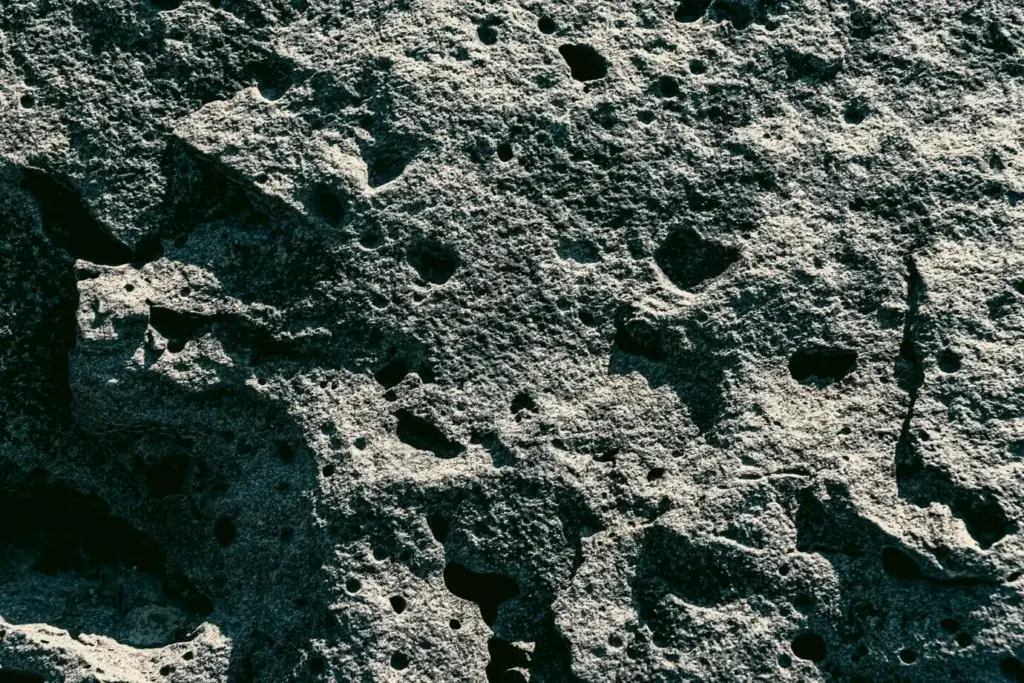
Procedural richness emerges from strategic layering of foundational noise types, each chosen for a recognizable geological role. Worley defines inclusions and granular boundaries; Perlin and FBM add dusty continuity; ridged variants carve cavities; domain warping injects tectonic drama; and SDF blends facilitate fragment silhouettes. By exposing seed values, scale controls, and intensity curves, you can mint endless believable variations, art-directed quickly, without sacrificing natural complexity or introducing artificial repetition that distracts players.

Worley Cells for Granular Anatomy

Treat chondrule boundaries and clast outlines as softened cellular fields. Generate multi-scale Worley distances, remap with smoothstep windows, and blend variants to avoid crystalline regularity. Drive color IDs and height accents from cell interiors versus edges, then perturb results with subtle turbulence. Add occasional oversized cells as hero inclusions, and sprinkle minute, offset micro-cells to imply relict grains. This controlled pseudo-random scaffolding thoughtfully echoes hand-lens observations without replicating any single specimen too literally.

Perlin, FBM, and the Breath Between Details
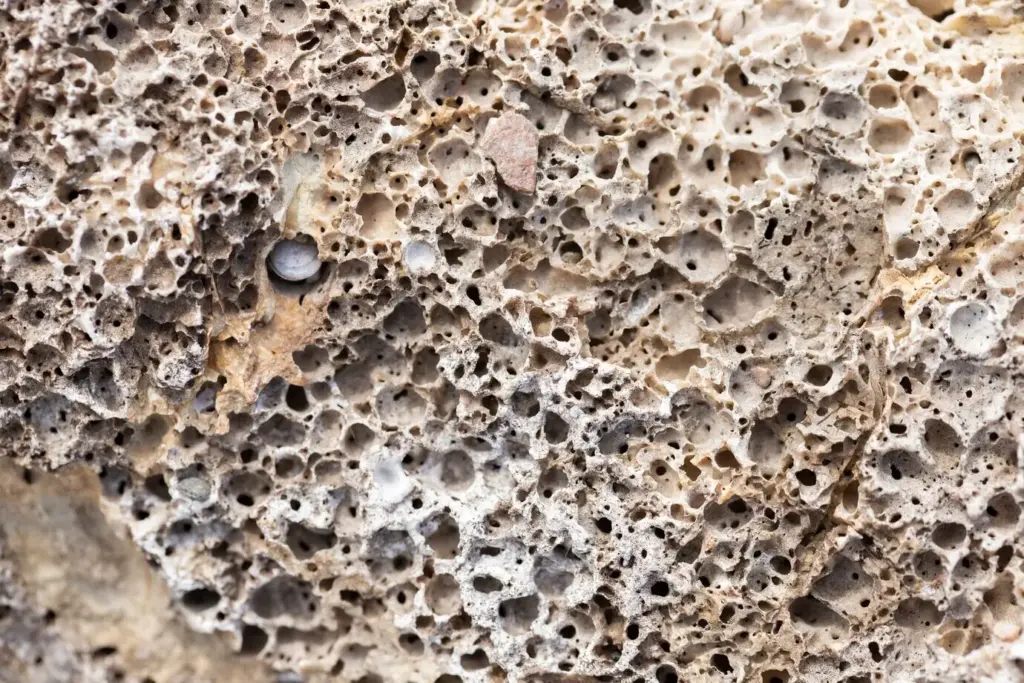
Real stone reads convincingly when quiet spaces counterpoint bold features. Stack Perlin FBM for the dusty matrix, shaping mid-frequency continuity behind dramatic inclusions. Use amplitude decay to keep coarse amplitudes restrained, then mask with cavity signals so micro-roughness and albedo grain settle naturally into recesses. Reserve highest-frequency layers for normal-only sparkle, protecting albedo from sandpaper noise. This separation lets light do the storytelling, revealing believable mineral microstructure under rotating image-based lighting.

Domain Warping and SDF Blends for Fractures

Breccias and shocked stones demand directional tension and broken continuity. Create fracture fields using signed distance shapes scattered by blue-noise points, then warp coordinates with curl or simplex flow to bend seams realistically. Blend SDF shards with matrix using height-aware masks and thickness-based darkening, ensuring plausible occlusion along joint lines. Subtle angular bias communicates ancient stress histories, while parameterized warp seeds let you generate families of related materials for props, environments, and cinematic cutscenes.

PBR Maps that Convince at Any Distance

Meteorite surfaces sell their story through disciplined PBR. Separate color from form: albedo stays statistically calm; height and normal express structure; roughness encodes microfacets; AO tightens contact; metalness highlights nickel-iron domains. Use controlled value ranges and calibrated reference spheres, checking consistency under neutral HDRIs and gameplay lights. Intentional restraint prevents noisy soup while preserving sparkle, ensuring close-ups feel tactile and mid-distance readability remains crisp without shimmering or over-contrasty distractions during motion.

Node Workflows in Substance, Blender, and Houdini

A sturdy graph turns cosmic chaos into dependable artistry. Build modular clusters for inclusions, fractures, and crust, each with exposed, clamped parameters and descriptive tooltips. Tri-planar support, scale correctness, and seed randomization ensure reusability across assets. Designer excels at procedural atlases; Blender nodes integrate tightly with shaders and geometry; Houdini enables batch variation and baking. Version graphs diligently, add preview cameras and shaded spheres, and keep organized frames so collaborators iterate confidently and quickly.

Substance 3D Designer: Exposed Controls and Valid Ranges

Structure graphs into labeled frames: Cells, Matrix, Crust, Polish. Promote critical sliders—cell size, warp strength, oxidation bias, metallic ratio—and clamp to safe intervals informed by references. Add random seed input for batch generation. Use Height Blend and Non-Uniform Blur to soften hard edges, and Curvature Smooth for believable wear. Publish as a generator with presets for chondritic, iron-rich, and breccia styles, ensuring teams can author consistent variations without diving into node spaghetti every time.

Blender Nodes: Tri-Planar Flexibility and Scale

Package a node group that wraps tri-planar projection, eliminating UV stretching on boulders and hero props. Provide world-scale inputs to keep chondrule sizes realistic, plus per-axis warp for directional ablation streaks. Combine procedural height with normal detail maps using carefully weighted add operations. Expose color ramps for oxidation, and include a preview material ball with HDRI rotation controls. Document recommended roughness ranges and metallic thresholds so look developers render predictable results across Eevee and Cycles.

Houdini COPs and PDG: Baking Families of Variations

Leverage COPs for high-resolution procedural maps, then orchestrate PDG to scatter seeds, resolutions, and style presets across a farm. Export channel-packed textures, name with semantic tokens, and generate thumbnails alongside Marmoset or Karma preview renders. Automate histogram checks, metalness leakage detection, and roughness clamp validation. This pipeline produces cohesive sets—perfect for level dressing or kitbashing—while capturing metadata that assists technical artists diagnosing outliers when integration or compression changes subtly shift material perception in-engine.
Real-Time Readiness: Efficient Delivery to Engines

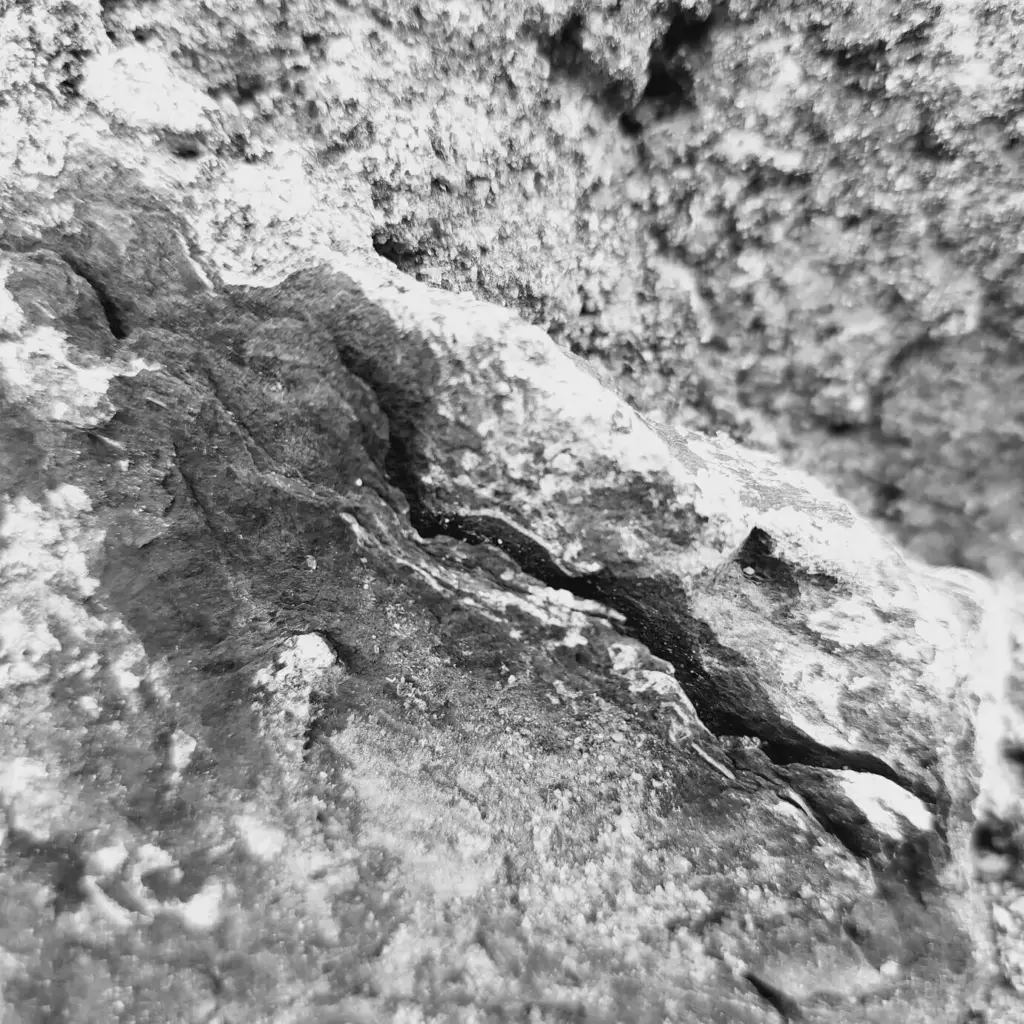
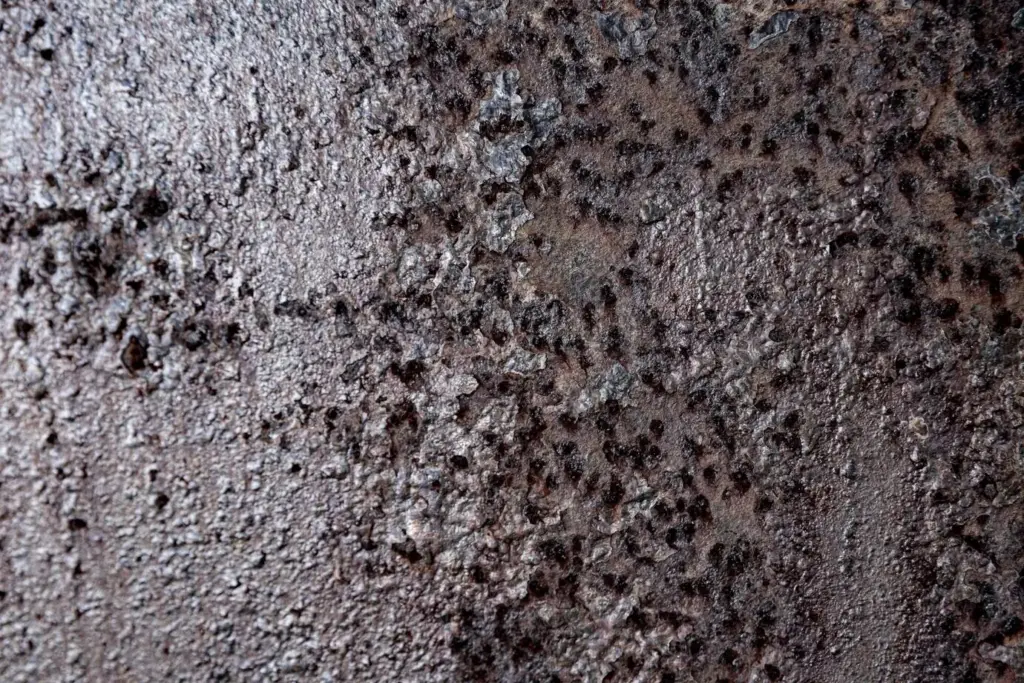
Believable surfaces must also be efficient. Match texel density targets, avoid over-resolution for background assets, and prefer tileables plus trim sheets when possible. Use BC-compression friendly ranges, pack grayscale channels smartly, and keep mips clean to tame shimmering. Test on multiple hardware tiers, enforce memory budgets, and verify streaming behavior in traversal scenarios. With consistent guidelines, your cosmic rock remains sharp, responsive, and stable under camera motion, time-of-day shifts, and fast gameplay lighting changes.

Showcase, Critique, and Community Iteration
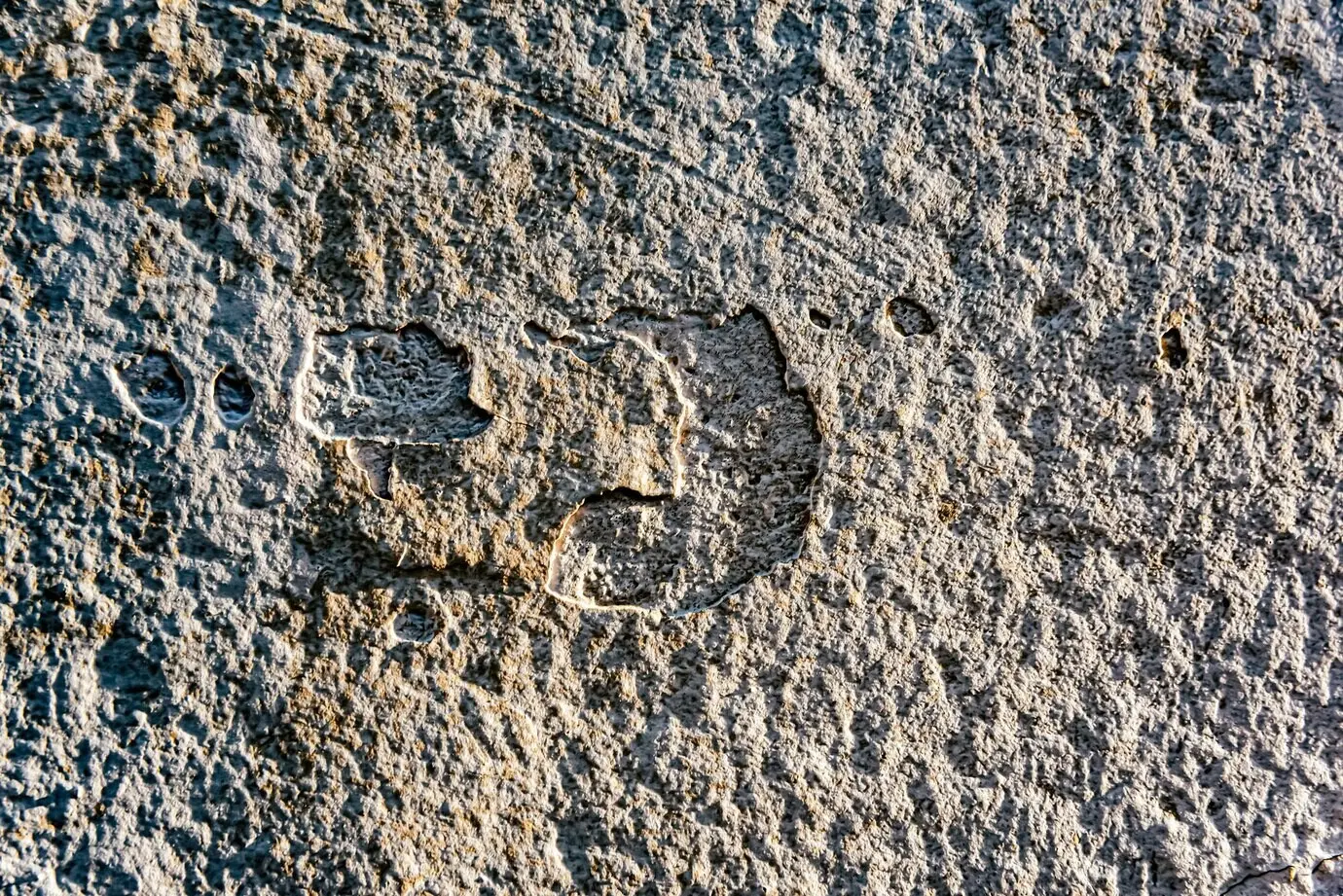
Great materials mature in public. Present renders under neutral and dramatic HDRIs, share breakdowns revealing graph logic, and invite critique from artists and scientists alike. Host A/B comparisons, publish parameter presets, and request gameplay captures to evaluate readability. Encourage questions, newsletter signups, and repository forks, turning experiments into shared knowledge. With consistent iteration, your cosmic textures evolve from convincing stand-ins to memorable visual anchors that spark curiosity and elevate scenes far beyond expected production value.
Nariveltomexovexo
Privacy Overview

This website uses cookies so that we can provide you with the best user experience possible. Cookie information is stored in your browser and performs functions such as recognising you when you return to our website and helping our team to understand which sections of the website you find most interesting and useful.